Buy software24.eu ?
We are moving the project
software24.eu .
Are you interested in purchasing the domain
software24.eu ?
domain@kv-gmbh.de · 0541-91531010
Buy software24.eu ?
What is the difference between the coding and non-coding strand?
The coding strand, also known as the sense strand, is the DNA strand that has the same sequence as the mRNA that is transcribed from it. This means that the coding strand has the same sequence as the resulting protein. On the other hand, the non-coding strand, also known as the template strand, is the DNA strand that is used as a template for the synthesis of mRNA during transcription. It has a complementary sequence to the mRNA and does not directly code for the protein. **
Why is this a non-coding strand?
This is a non-coding strand because it serves as a template for the synthesis of mRNA during transcription. It does not directly code for a protein, but instead provides the complementary sequence of nucleotides that will be used to create the mRNA molecule. The non-coding strand is also known as the antisense strand, as it is complementary to the coding strand, which is the sense strand that carries the genetic information for protein synthesis. **

Similar search terms for Non-coding
Top-Angebote
Products related to Non-coding:
-
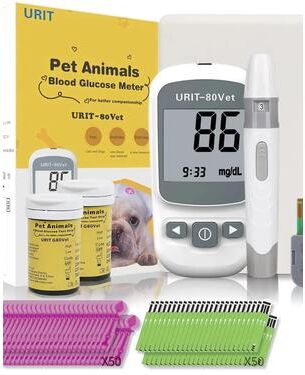
Inspire Essentials Pet Glucose Monitoring Kit For Dogs And Cats With Easy No Coding Testing aTake a more active role in your pet's health with this pet glucose monitor designed for convenient at home blood sugar testing. Created specifically for dogs and cats, this easy to use monitoring kit helps pet owners track glucose levels quickly and...89,98 $*Shipping: 0,00 $Secure redirect to the provider
-
Inspired Finds No Coding Pet Glucose Monitoring Kit For Dogs & Cats analyzer KitManaging your pets health becomes easier and more reassuring with this easy to use pet glucose monitoring kit designed for dogs and cats. Built for convenient at home testing, this blood sugar monitor helps pet owners track glucose levels with fast...116,99 $*Shipping: 0,00 $Secure redirect to the provider
-
Learning Resources Code ; Go Mouse Activity Set - Rechargeable for Kids - Ages 4 and Up - Coding ToyIntroduce your child to the world of coding with the Learning Resources Code ; Go Mouse Activity Set. This interactive toy combines fun and education, allowing kids to create their own maze and guide the mouse through it using simple coding commands. Suitable for ages 4 and up, it encourages problem-solving and enhances critical thinking skills. The rechargeable mouse is eco-friendly and convenient, eliminating the need for constant battery replacements. Kids can explore basic programming concepts while playing, and the set allows for creative play as they design their own obstacle courses. This activity set makes a great gift for birthdays or holidays, sparking creativity and learning in a delightful way. It's a perfect family activity that brings everyone together.58,99 £*Shipping: 0,00 £Secure redirect to the provider
-
Inspire Picks Pet Glucose Monitoring Kit Easy No Coding Blood Sugar Monitor For Dogs & Cats analyzer KitHelp manage your pets health with confidence using this reliable pet glucose monitoring kit designed for easy and stressfree blood sugar testing at home. Created for both dogs and cats, this smart monitoring system features a painreducing easy...95,24 $*Shipping: 0,00 $Secure redirect to the provider




-
Why is there usually a higher polymorphism in non-coding DNA than in coding DNA?
Non-coding DNA regions are not under the same selective pressure as coding DNA, which means mutations in non-coding regions are more likely to be tolerated without affecting the organism's survival or reproduction. This leads to a higher accumulation of genetic variation in non-coding regions over time. In contrast, mutations in coding regions can have a direct impact on the organism's phenotype and are more likely to be eliminated by natural selection, resulting in lower polymorphism in coding DNA. **
-
How is the non-coding strand of DNA converted into the coding strand of DNA?
The non-coding strand of DNA is used as a template to create the coding strand during the process of transcription. An enzyme called RNA polymerase binds to the non-coding strand and synthesizes a complementary RNA molecule. This RNA molecule is then processed and modified to become messenger RNA (mRNA), which serves as the template for protein synthesis. The mRNA is read by ribosomes to assemble the corresponding amino acids into a protein. **
-
Why is there usually a higher polymorphism in non-coding DNA compared to coding DNA?
Non-coding DNA, such as introns and intergenic regions, is not under the same selective pressure as coding DNA, which must maintain the amino acid sequence of proteins. This lack of selective pressure allows for more genetic variation to accumulate in non-coding regions over time. Additionally, non-coding DNA can tolerate mutations more easily without affecting the organism's phenotype, leading to a higher level of polymorphism. These polymorphisms in non-coding DNA can still have functional implications, such as regulating gene expression or affecting chromatin structure. **
-
How do I differentiate the non-coding strand from the coding strand in the genetic code?
In the genetic code, the non-coding strand is the template strand that is used as a template for the synthesis of mRNA during transcription. It is also known as the antisense strand. The coding strand, on the other hand, is the complementary strand to the non-coding strand and is not directly involved in the synthesis of mRNA. It is also known as the sense strand. The non-coding strand is used to determine the sequence of the mRNA, while the coding strand has the same sequence as the mRNA, except it has thymine instead of uracil. **

What happens to the non-coding strand during transcription?
During transcription, the non-coding strand of DNA acts as a template for the synthesis of the mRNA molecule. The enzyme RNA polymerase binds to the non-coding strand and synthesizes a complementary mRNA molecule by adding nucleotides according to the base-pairing rules (A-U, G-C). This process results in the production of a single-stranded mRNA molecule that is complementary to the non-coding DNA strand. **
Why is only non-coding DNA used in genetic fingerprinting?
Non-coding DNA is used in genetic fingerprinting because it is highly variable between individuals, making it useful for distinguishing between different people. Non-coding DNA, also known as junk DNA, does not code for proteins and is not involved in the expression of genes, so it is less likely to be under selective pressure and more likely to accumulate mutations over time. This high variability and lack of functional constraints make non-coding DNA ideal for genetic fingerprinting, as it can provide unique genetic profiles for individuals. **
Top-Angebote
Products related to Non-coding:
-
Learning Resources Switcheroo Coding CrewJoin the Switcheroo Coding Crew for challenge-solving, obstacle-evading, screen-free rescue missions! Preschoolers save the day the coding way with this three-in-one rescue robot who's ready for early STEM fun! Snap on a vehicle shell to transform...59,99 $*Shipping: 0,00 $Secure redirect to the provider
-
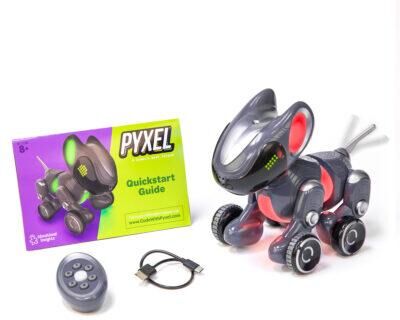
Learning Resources Pyxel The Coding PetKids use a computer or tablet to program this four-legged friend, then send their commands to the included remote to make the pet move, “talk”, and change facial expressions. Includes Coding Pet, user interface, and remote-activator unit. Pyxel The...124,99 $*Shipping: 0,00 $Secure redirect to the provider
-
Inspire Essentials Pet Glucose Monitoring Kit For Dogs And Cats With Easy No Coding Testing aTake a more active role in your pet's health with this pet glucose monitor designed for convenient at home blood sugar testing. Created specifically for dogs and cats, this easy to use monitoring kit helps pet owners track glucose levels quickly and...89,98 $*Shipping: 0,00 $Secure redirect to the provider
-
Inspired Finds No Coding Pet Glucose Monitoring Kit For Dogs & Cats analyzer KitManaging your pets health becomes easier and more reassuring with this easy to use pet glucose monitoring kit designed for dogs and cats. Built for convenient at home testing, this blood sugar monitor helps pet owners track glucose levels with fast...116,99 $*Shipping: 0,00 $Secure redirect to the provider
-
What is the difference between the coding and non-coding strand?
The coding strand, also known as the sense strand, is the DNA strand that has the same sequence as the mRNA that is transcribed from it. This means that the coding strand has the same sequence as the resulting protein. On the other hand, the non-coding strand, also known as the template strand, is the DNA strand that is used as a template for the synthesis of mRNA during transcription. It has a complementary sequence to the mRNA and does not directly code for the protein. **
-
Why is this a non-coding strand?
This is a non-coding strand because it serves as a template for the synthesis of mRNA during transcription. It does not directly code for a protein, but instead provides the complementary sequence of nucleotides that will be used to create the mRNA molecule. The non-coding strand is also known as the antisense strand, as it is complementary to the coding strand, which is the sense strand that carries the genetic information for protein synthesis. **
-
Why is there usually a higher polymorphism in non-coding DNA than in coding DNA?
Non-coding DNA regions are not under the same selective pressure as coding DNA, which means mutations in non-coding regions are more likely to be tolerated without affecting the organism's survival or reproduction. This leads to a higher accumulation of genetic variation in non-coding regions over time. In contrast, mutations in coding regions can have a direct impact on the organism's phenotype and are more likely to be eliminated by natural selection, resulting in lower polymorphism in coding DNA. **
-
How is the non-coding strand of DNA converted into the coding strand of DNA?
The non-coding strand of DNA is used as a template to create the coding strand during the process of transcription. An enzyme called RNA polymerase binds to the non-coding strand and synthesizes a complementary RNA molecule. This RNA molecule is then processed and modified to become messenger RNA (mRNA), which serves as the template for protein synthesis. The mRNA is read by ribosomes to assemble the corresponding amino acids into a protein. **
Similar search terms for Non-coding
-
Learning Resources Code ; Go Mouse Activity Set - Rechargeable for Kids - Ages 4 and Up - Coding ToyIntroduce your child to the world of coding with the Learning Resources Code ; Go Mouse Activity Set. This interactive toy combines fun and education, allowing kids to create their own maze and guide the mouse through it using simple coding commands. Suitable for ages 4 and up, it encourages problem-solving and enhances critical thinking skills. The rechargeable mouse is eco-friendly and convenient, eliminating the need for constant battery replacements. Kids can explore basic programming concepts while playing, and the set allows for creative play as they design their own obstacle courses. This activity set makes a great gift for birthdays or holidays, sparking creativity and learning in a delightful way. It's a perfect family activity that brings everyone together.58,99 £*Shipping: 0,00 £Secure redirect to the provider
-
Inspire Picks Pet Glucose Monitoring Kit Easy No Coding Blood Sugar Monitor For Dogs & Cats analyzer KitHelp manage your pets health with confidence using this reliable pet glucose monitoring kit designed for easy and stressfree blood sugar testing at home. Created for both dogs and cats, this smart monitoring system features a painreducing easy...95,24 $*Shipping: 0,00 $Secure redirect to the provider
-
DK Computer Coding Games for Kids: A Step-by-Step Visual Guide to Building Your Own Computer GamesGet coding and build your own computer games with this simple visual guide, which makes coding for kids a doddle. Just follow the numbered steps to build eight crazy games with the Scratch programming language.Create single and multiplayer games, platformers, mazes, brainteasers, races, and more. All you need is a desktop or laptop computer and an internet connection to download Scratch. Essential coding and computer science concepts are explained along the way as you build, test, and customize each game.As well as teaching beginners how to code in Scratch, the book supports STEM education goals by showing readers how to plan and design projects, test and improve prototypes, reason logically, communicate ideas, and think creatively - all while creating games to play with friends and family.DK's computer coding books are full of fun exercises with expert guidance, making them the perfect introductory tools for building vital skills in computer programming.6,95 £*Shipping: 2,99 £Secure redirect to the provider
-
Inspire Essentials Pet Glucose Monitoring Kit For Dogs And Cats With Easy No Coding Testing bTake a more active role in your pet's health with this pet glucose monitor designed for convenient at home blood sugar testing. Created specifically for dogs and cats, this easy to use monitoring kit helps pet owners track glucose levels quickly and...89,98 $*Shipping: 0,00 $Secure redirect to the provider
-
Why is there usually a higher polymorphism in non-coding DNA compared to coding DNA?
Non-coding DNA, such as introns and intergenic regions, is not under the same selective pressure as coding DNA, which must maintain the amino acid sequence of proteins. This lack of selective pressure allows for more genetic variation to accumulate in non-coding regions over time. Additionally, non-coding DNA can tolerate mutations more easily without affecting the organism's phenotype, leading to a higher level of polymorphism. These polymorphisms in non-coding DNA can still have functional implications, such as regulating gene expression or affecting chromatin structure. **
-
How do I differentiate the non-coding strand from the coding strand in the genetic code?
In the genetic code, the non-coding strand is the template strand that is used as a template for the synthesis of mRNA during transcription. It is also known as the antisense strand. The coding strand, on the other hand, is the complementary strand to the non-coding strand and is not directly involved in the synthesis of mRNA. It is also known as the sense strand. The non-coding strand is used to determine the sequence of the mRNA, while the coding strand has the same sequence as the mRNA, except it has thymine instead of uracil. **
-
What happens to the non-coding strand during transcription?
During transcription, the non-coding strand of DNA acts as a template for the synthesis of the mRNA molecule. The enzyme RNA polymerase binds to the non-coding strand and synthesizes a complementary mRNA molecule by adding nucleotides according to the base-pairing rules (A-U, G-C). This process results in the production of a single-stranded mRNA molecule that is complementary to the non-coding DNA strand. **
-
Why is only non-coding DNA used in genetic fingerprinting?
Non-coding DNA is used in genetic fingerprinting because it is highly variable between individuals, making it useful for distinguishing between different people. Non-coding DNA, also known as junk DNA, does not code for proteins and is not involved in the expression of genes, so it is less likely to be under selective pressure and more likely to accumulate mutations over time. This high variability and lack of functional constraints make non-coding DNA ideal for genetic fingerprinting, as it can provide unique genetic profiles for individuals. **
* All prices are inclusive of VAT and, if applicable, plus shipping costs. The offer information is based on the details provided by the respective shop and is updated through automated processes. Real-time updates do not occur, so deviations can occur in individual cases. ** Note: Parts of this content were created by AI.