Buy software24.eu ?
We are moving the project
software24.eu .
Are you interested in purchasing the domain
software24.eu ?
domain@kv-gmbh.de · 0541-91531010
Buy software24.eu ?
Why is there usually a higher polymorphism in non-coding DNA than in coding DNA?
Non-coding DNA regions are not under the same selective pressure as coding DNA, which means mutations in non-coding regions are more likely to be tolerated without affecting the organism's survival or reproduction. This leads to a higher accumulation of genetic variation in non-coding regions over time. In contrast, mutations in coding regions can have a direct impact on the organism's phenotype and are more likely to be eliminated by natural selection, resulting in lower polymorphism in coding DNA. **
How is the non-coding strand of DNA converted into the coding strand of DNA?
The non-coding strand of DNA is used as a template to create the coding strand during the process of transcription. An enzyme called RNA polymerase binds to the non-coding strand and synthesizes a complementary RNA molecule. This RNA molecule is then processed and modified to become messenger RNA (mRNA), which serves as the template for protein synthesis. The mRNA is read by ribosomes to assemble the corresponding amino acids into a protein. **

Similar search terms for Dna
Top-Angebote
Products related to Dna:
-
Inspire Essentials Stayve Salmon DNA Gold Ampoule BB Glow Starter Kit 10pcs (no Box)Transform your skincare routine with the Stayve Salmon DNA Gold Ampoule BB Glow Starter Kit, designed for individuals seeking radiant, firm, and youthfullooking skin. This nutrientrich salmon DNA ampoule harnesses PDRN extracted from salmon DNA...64,97 $*Shipping: 0,00 $Secure redirect to the provider
-
Icon Books Junk DNA: A Journey Through the Dark Matter of the Genome by Nessa CareyFor decades, 98 per cent of our DNA was written off as junk on the grounds that it did not code for proteins.From rare genetic diseases to Down s Syndrome, from viral infections to the ageing process, only now are the effects and the vital functions of these junk regions beginning to emerge.Scientists rapidly growing knowledge of this often controversial field has already provided a successful cure for blindness and saved innocent people from death row via DNA fingerprinting, and looks set to revolutionise treatment for many medical conditions including obesity.From Nessa Carey, author of the acclaimed The Epigenetics Revolution, this is the first book for a general readership on a subject that may underpin the secrets of human complexity even the very origins of life on earth.6,45 £*Shipping: 2,99 £Secure redirect to the provider
-
Orion A Brief History of Everyone Who Ever Lived by Adam Rutherford – The Stories in Our DNAA Brief History of Everyone Who Ever Lived by Adam Rutherford This is a story about you.It is the history of who you are and how you came to be. It is unique to you, as it is to each of the 100 billion modern humans who have ever drawn breath. But it is also our collective story, because in every one of our genomes we each carry the history of our species - births, deaths, disease, war, famine, migration and a lot of sex.In this captivating journey through the expanding landscape of genetics, Adam Rutherford reveals what our genes now tell us about human history, and what history can now tell us about our genes. From Neanderthals to murder, from redheads to race, dead kings to plague, evolution to epigenetics, this is a demystifying and illuminating new portrait of who we are and how we came to be.4,95 £*Shipping: 1,99 £Secure redirect to the provider


-
Why is there usually a higher polymorphism in non-coding DNA compared to coding DNA?
Non-coding DNA, such as introns and intergenic regions, is not under the same selective pressure as coding DNA, which must maintain the amino acid sequence of proteins. This lack of selective pressure allows for more genetic variation to accumulate in non-coding regions over time. Additionally, non-coding DNA can tolerate mutations more easily without affecting the organism's phenotype, leading to a higher level of polymorphism. These polymorphisms in non-coding DNA can still have functional implications, such as regulating gene expression or affecting chromatin structure. **
-
Why is only non-coding DNA used in genetic fingerprinting?
Non-coding DNA is used in genetic fingerprinting because it is highly variable between individuals, making it useful for distinguishing between different people. Non-coding DNA, also known as junk DNA, does not code for proteins and is not involved in the expression of genes, so it is less likely to be under selective pressure and more likely to accumulate mutations over time. This high variability and lack of functional constraints make non-coding DNA ideal for genetic fingerprinting, as it can provide unique genetic profiles for individuals. **
-
What are the effects of non-coding DNA segments on traits?
Non-coding DNA segments, also known as non-coding regions or junk DNA, were once thought to have no functional significance. However, recent research has shown that non-coding DNA can have important regulatory roles in gene expression and can influence traits. For example, non-coding DNA can contain regulatory elements that control when and where genes are turned on and off, ultimately affecting an organism's traits. Additionally, non-coding DNA can also contribute to genetic variation and evolution by serving as a source of genetic diversity. Overall, non-coding DNA segments play a crucial role in shaping an organism's traits and genetic makeup. **
-
Does dinosaur DNA cross with human DNA?
No, dinosaur DNA does not cross with human DNA. This is because dinosaurs and humans are from completely different evolutionary lineages and are separated by millions of years of evolution. Additionally, dinosaur DNA has not been found intact, as it degrades over time, making it impossible to cross with human DNA. Therefore, there is no scientific evidence to support the idea that dinosaur DNA can cross with human DNA. **

How is the coding of DNA into mRNA carried out in genetics?
In genetics, the process of coding DNA into mRNA is carried out through a process called transcription. During transcription, an enzyme called RNA polymerase binds to a specific region of the DNA called the promoter and begins to unwind the DNA double helix. The RNA polymerase then reads the DNA sequence and synthesizes a complementary mRNA strand by adding nucleotides according to the base pairing rules (A with U, G with C, etc.). Once the mRNA strand is synthesized, it is processed and transported out of the nucleus to be translated into a protein by ribosomes. This process is essential for gene expression and the production of functional proteins in the cell. **
How is the base sequence determined in the coding strand of DNA?
The base sequence in the coding strand of DNA is determined by the complementary base pairing rule. Adenine (A) always pairs with thymine (T), and guanine (G) always pairs with cytosine (C). This means that the sequence of bases in the coding strand is determined by the sequence of bases in the template (non-coding) strand, with adenine pairing with thymine and guanine pairing with cytosine. The resulting base sequence in the coding strand is a complementary copy of the template strand, with the exception that thymine is replaced by uracil in RNA transcription. **
Top-Angebote
Products related to Dna:
-
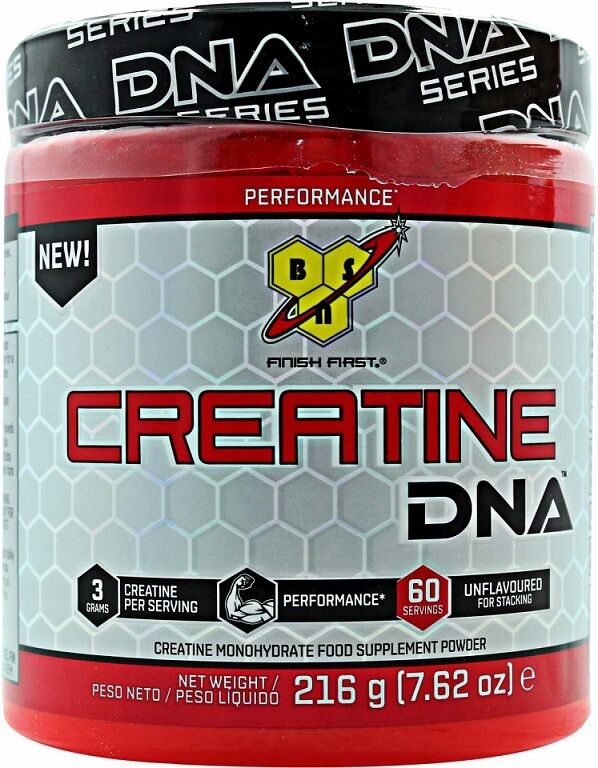
BSN Creatine Dna Unflavored 216 gr 216 grNutrition and Supplements Proteins and creatine BSN Creatine Dna Unflavored 216 gr 216 gr Customize your supplement stack with the all-new BSN DNA Series. Supplementing with creatine monohydrate can help replenish your creatine stores, an ingredient found naturally in foods like red meat. Creatine helps fuel your muscles during periods of high-intensity exercise. BSN Creatine DNA provides 3 grams of pure micronised creatine per serving. With unflavoured versatility, Creatine DNA may be added to your post-workout shake or favourite beverage.19,40 £*Shipping: 3,99 £Secure redirect to the provider
-
Inspire Essentials Stayve Salmon DNA Gold Ampoule BB Glow Starter Kit 10pcs (no Box)Transform your skincare routine with the Stayve Salmon DNA Gold Ampoule BB Glow Starter Kit, designed for individuals seeking radiant, firm, and youthfullooking skin. This nutrientrich salmon DNA ampoule harnesses PDRN extracted from salmon DNA...64,97 $*Shipping: 0,00 $Secure redirect to the provider
-
Icon Books Junk DNA: A Journey Through the Dark Matter of the Genome by Nessa CareyFor decades, 98 per cent of our DNA was written off as junk on the grounds that it did not code for proteins.From rare genetic diseases to Down s Syndrome, from viral infections to the ageing process, only now are the effects and the vital functions of these junk regions beginning to emerge.Scientists rapidly growing knowledge of this often controversial field has already provided a successful cure for blindness and saved innocent people from death row via DNA fingerprinting, and looks set to revolutionise treatment for many medical conditions including obesity.From Nessa Carey, author of the acclaimed The Epigenetics Revolution, this is the first book for a general readership on a subject that may underpin the secrets of human complexity even the very origins of life on earth.6,45 £*Shipping: 2,99 £Secure redirect to the provider
-
Why is there usually a higher polymorphism in non-coding DNA than in coding DNA?
Non-coding DNA regions are not under the same selective pressure as coding DNA, which means mutations in non-coding regions are more likely to be tolerated without affecting the organism's survival or reproduction. This leads to a higher accumulation of genetic variation in non-coding regions over time. In contrast, mutations in coding regions can have a direct impact on the organism's phenotype and are more likely to be eliminated by natural selection, resulting in lower polymorphism in coding DNA. **
-
How is the non-coding strand of DNA converted into the coding strand of DNA?
The non-coding strand of DNA is used as a template to create the coding strand during the process of transcription. An enzyme called RNA polymerase binds to the non-coding strand and synthesizes a complementary RNA molecule. This RNA molecule is then processed and modified to become messenger RNA (mRNA), which serves as the template for protein synthesis. The mRNA is read by ribosomes to assemble the corresponding amino acids into a protein. **
-
Why is there usually a higher polymorphism in non-coding DNA compared to coding DNA?
Non-coding DNA, such as introns and intergenic regions, is not under the same selective pressure as coding DNA, which must maintain the amino acid sequence of proteins. This lack of selective pressure allows for more genetic variation to accumulate in non-coding regions over time. Additionally, non-coding DNA can tolerate mutations more easily without affecting the organism's phenotype, leading to a higher level of polymorphism. These polymorphisms in non-coding DNA can still have functional implications, such as regulating gene expression or affecting chromatin structure. **
-
Why is only non-coding DNA used in genetic fingerprinting?
Non-coding DNA is used in genetic fingerprinting because it is highly variable between individuals, making it useful for distinguishing between different people. Non-coding DNA, also known as junk DNA, does not code for proteins and is not involved in the expression of genes, so it is less likely to be under selective pressure and more likely to accumulate mutations over time. This high variability and lack of functional constraints make non-coding DNA ideal for genetic fingerprinting, as it can provide unique genetic profiles for individuals. **
Similar search terms for Dna
-
Orion A Brief History of Everyone Who Ever Lived by Adam Rutherford – The Stories in Our DNAA Brief History of Everyone Who Ever Lived by Adam Rutherford This is a story about you.It is the history of who you are and how you came to be. It is unique to you, as it is to each of the 100 billion modern humans who have ever drawn breath. But it is also our collective story, because in every one of our genomes we each carry the history of our species - births, deaths, disease, war, famine, migration and a lot of sex.In this captivating journey through the expanding landscape of genetics, Adam Rutherford reveals what our genes now tell us about human history, and what history can now tell us about our genes. From Neanderthals to murder, from redheads to race, dead kings to plague, evolution to epigenetics, this is a demystifying and illuminating new portrait of who we are and how we came to be.4,95 £*Shipping: 1,99 £Secure redirect to the provider
-
What are the effects of non-coding DNA segments on traits?
Non-coding DNA segments, also known as non-coding regions or junk DNA, were once thought to have no functional significance. However, recent research has shown that non-coding DNA can have important regulatory roles in gene expression and can influence traits. For example, non-coding DNA can contain regulatory elements that control when and where genes are turned on and off, ultimately affecting an organism's traits. Additionally, non-coding DNA can also contribute to genetic variation and evolution by serving as a source of genetic diversity. Overall, non-coding DNA segments play a crucial role in shaping an organism's traits and genetic makeup. **
-
Does dinosaur DNA cross with human DNA?
No, dinosaur DNA does not cross with human DNA. This is because dinosaurs and humans are from completely different evolutionary lineages and are separated by millions of years of evolution. Additionally, dinosaur DNA has not been found intact, as it degrades over time, making it impossible to cross with human DNA. Therefore, there is no scientific evidence to support the idea that dinosaur DNA can cross with human DNA. **
-
How is the coding of DNA into mRNA carried out in genetics?
In genetics, the process of coding DNA into mRNA is carried out through a process called transcription. During transcription, an enzyme called RNA polymerase binds to a specific region of the DNA called the promoter and begins to unwind the DNA double helix. The RNA polymerase then reads the DNA sequence and synthesizes a complementary mRNA strand by adding nucleotides according to the base pairing rules (A with U, G with C, etc.). Once the mRNA strand is synthesized, it is processed and transported out of the nucleus to be translated into a protein by ribosomes. This process is essential for gene expression and the production of functional proteins in the cell. **
-
How is the base sequence determined in the coding strand of DNA?
The base sequence in the coding strand of DNA is determined by the complementary base pairing rule. Adenine (A) always pairs with thymine (T), and guanine (G) always pairs with cytosine (C). This means that the sequence of bases in the coding strand is determined by the sequence of bases in the template (non-coding) strand, with adenine pairing with thymine and guanine pairing with cytosine. The resulting base sequence in the coding strand is a complementary copy of the template strand, with the exception that thymine is replaced by uracil in RNA transcription. **
* All prices are inclusive of VAT and, if applicable, plus shipping costs. The offer information is based on the details provided by the respective shop and is updated through automated processes. Real-time updates do not occur, so deviations can occur in individual cases. ** Note: Parts of this content were created by AI.