Buy software24.eu ?
We are moving the project
software24.eu .
Are you interested in purchasing the domain
software24.eu ?
domain@kv-gmbh.de · 0541-91531010
Buy software24.eu ?
Why is this a non-coding strand?
This is a non-coding strand because it serves as a template for the synthesis of mRNA during transcription. It does not directly code for a protein, but instead provides the complementary sequence of nucleotides that will be used to create the mRNA molecule. The non-coding strand is also known as the antisense strand, as it is complementary to the coding strand, which is the sense strand that carries the genetic information for protein synthesis. **
What is the difference between the coding and non-coding strand?
The coding strand, also known as the sense strand, is the DNA strand that has the same sequence as the mRNA that is transcribed from it. This means that the coding strand has the same sequence as the resulting protein. On the other hand, the non-coding strand, also known as the template strand, is the DNA strand that is used as a template for the synthesis of mRNA during transcription. It has a complementary sequence to the mRNA and does not directly code for the protein. **

Similar search terms for Non-attachment
Top-Angebote
Products related to Non-attachment:
-
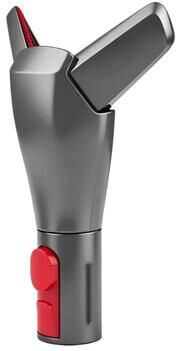
United Dyson Mattress Tool Attachment Adjustable Bed Dust Brush For Dyson single AttachmentExperience a cleaner, fresher home with the Dyson mattress tool designed to lift dust, dirt, and debris from mattresses, sofas, and upholstered furniture. This adjustable attachment is ideal for Dyson V15, V11, V10, V8, and V7 owners who want...44,97 $*Shipping: 0,00 $Secure redirect to the provider


-
What happens to the non-coding strand during transcription?
During transcription, the non-coding strand of DNA acts as a template for the synthesis of the mRNA molecule. The enzyme RNA polymerase binds to the non-coding strand and synthesizes a complementary mRNA molecule by adding nucleotides according to the base-pairing rules (A-U, G-C). This process results in the production of a single-stranded mRNA molecule that is complementary to the non-coding DNA strand. **
-
Which clutch attachment?
The best clutch attachment depends on the specific needs and preferences of the individual. Some popular options include a wristlet strap for easy carrying, a chain strap for a more elegant look, or a crossbody strap for hands-free convenience. Consider the occasions and outfits you'll be using the clutch for, as well as your personal style and comfort, to determine the best attachment for you. **
-
Is learning programming and software development very challenging?
Learning programming and software development can be challenging for some people, as it requires logical thinking, problem-solving skills, and attention to detail. However, with dedication, practice, and the right resources, it is definitely achievable. Breaking down complex concepts into smaller, more manageable parts and seeking help from online tutorials, courses, and communities can make the learning process easier and more enjoyable. Ultimately, the level of challenge will vary depending on the individual's background, experience, and learning style. **
-
Which programming languages are used in software development?
There are many programming languages used in software development, including popular languages such as Java, Python, C++, JavaScript, and Ruby. Each language has its own strengths and is used for different purposes in software development. For example, Java is commonly used for building enterprise-level applications, while Python is known for its simplicity and versatility. C++ is often used for system software and game development, while JavaScript is essential for web development. Overall, the choice of programming language depends on the specific requirements of the software being developed. **


Why is only non-coding DNA used in genetic fingerprinting?
Non-coding DNA is used in genetic fingerprinting because it is highly variable between individuals, making it useful for distinguishing between different people. Non-coding DNA, also known as junk DNA, does not code for proteins and is not involved in the expression of genes, so it is less likely to be under selective pressure and more likely to accumulate mutations over time. This high variability and lack of functional constraints make non-coding DNA ideal for genetic fingerprinting, as it can provide unique genetic profiles for individuals. **
What is the mRNA strand for the non-coding strand?
The mRNA strand for the non-coding strand is complementary to the non-coding strand of DNA. This means that it is created by using the non-coding strand as a template and matching complementary RNA nucleotides to the DNA nucleotides. The resulting mRNA strand will have the same sequence as the coding (sense) strand of DNA, except with thymine (T) replaced by uracil (U) in the mRNA. This mRNA strand will then be used as a template for protein synthesis during translation. **
Top-Angebote
Products related to Non-attachment:
-
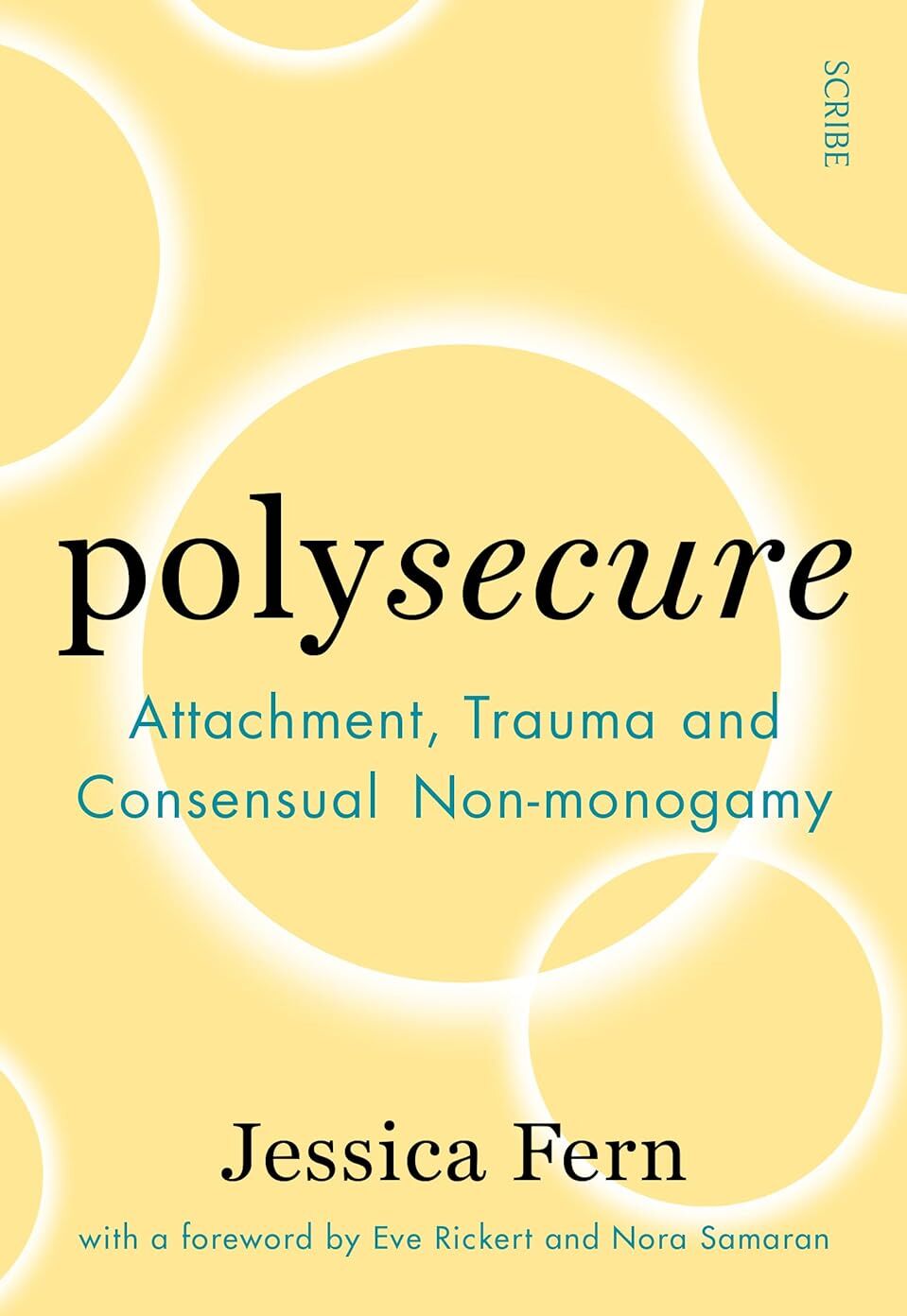
Scribe UK Polysecure: Attachment, Trauma and Consensual Non-monogamy by Jessica FernA practical guide to nurturing healthy, loving non-monogamous relationships using attachment theory. Attachment theory has entered the mainstream, but most discussions focus on how we can cultivate secure monogamous relationships. What if, like many people, you’re striving for secure, happy attachments with more than one partner? Polyamorous psychotherapist Jessica Fern breaks new ground by extending attachment theory into the realm of consensual non-monogamy. Using her nested model of attachment and trauma, she expands our understanding of how emotional experiences can influence our relationships. Then, she sets out six specific strategies to help you move toward secure attachments in your multiple relationships. Polysecure is both a trailblazing theoretical treatise and a practical guide. It provides non-monogamous people with a new set of tools to navigate the complexities of multiple loving relationships, and offers radical new concepts that are sure to influence the conversation about attachment theory.9,49 £*Shipping: 2,99 £Secure redirect to the provider
-
Scribe UK Polysecure by Jessica Fern - Attachment, Trauma and Consensual Non-Monogamy - Paperback - Relationship Psychology GuidePolysecure: Attachment, Trauma and Consensual Non-Monogamy is a guide by Jessica Fern that applies attachment theory to polyamorous and open relationships. Written by a psychotherapist with clinical experience, it helps readers understand how childhood attachment patterns and past trauma shape jealousy, insecurity, and communication in multi-partner relationships. Combining psychological theory with compassionate, practical exercises, this book is widely regarded as essential reading for anyone building consensual non-monogamy, whether newly exploring open relationships or deepening long-term polyamorous partnerships. In Polysecure, Jessica Fern introduces her 'nested model' of attachment, blending traditional attachment theory with attachment to self, partners, and community to explain why some non-monogamous relationships thrive while others struggle.11,99 £*Shipping: 2,99 £Secure redirect to the provider
-
United Dyson Mattress Tool Attachment Adjustable Bed Dust Brush For Dyson single AttachmentExperience a cleaner, fresher home with the Dyson mattress tool designed to lift dust, dirt, and debris from mattresses, sofas, and upholstered furniture. This adjustable attachment is ideal for Dyson V15, V11, V10, V8, and V7 owners who want...44,97 $*Shipping: 0,00 $Secure redirect to the provider
-
Why is this a non-coding strand?
This is a non-coding strand because it serves as a template for the synthesis of mRNA during transcription. It does not directly code for a protein, but instead provides the complementary sequence of nucleotides that will be used to create the mRNA molecule. The non-coding strand is also known as the antisense strand, as it is complementary to the coding strand, which is the sense strand that carries the genetic information for protein synthesis. **
-
What is the difference between the coding and non-coding strand?
The coding strand, also known as the sense strand, is the DNA strand that has the same sequence as the mRNA that is transcribed from it. This means that the coding strand has the same sequence as the resulting protein. On the other hand, the non-coding strand, also known as the template strand, is the DNA strand that is used as a template for the synthesis of mRNA during transcription. It has a complementary sequence to the mRNA and does not directly code for the protein. **
-
What happens to the non-coding strand during transcription?
During transcription, the non-coding strand of DNA acts as a template for the synthesis of the mRNA molecule. The enzyme RNA polymerase binds to the non-coding strand and synthesizes a complementary mRNA molecule by adding nucleotides according to the base-pairing rules (A-U, G-C). This process results in the production of a single-stranded mRNA molecule that is complementary to the non-coding DNA strand. **
-
Which clutch attachment?
The best clutch attachment depends on the specific needs and preferences of the individual. Some popular options include a wristlet strap for easy carrying, a chain strap for a more elegant look, or a crossbody strap for hands-free convenience. Consider the occasions and outfits you'll be using the clutch for, as well as your personal style and comfort, to determine the best attachment for you. **
Similar search terms for Non-attachment
-
BodyCraft MFT Leg Press AttachmentUPGRADE YOUR BODYCRAFT MFT The BodyCraft MFT Leg Press Attachment enhances your BodyCraft MFT Multi-Functional Trainer with a leg press station for lower-body strength workouts. The leg press can be attached to either the right or left side of the main machine, ensuring flexibility in machine...449,10 £*Shipping: 0,00 £Secure redirect to the provider
-
Is learning programming and software development very challenging?
Learning programming and software development can be challenging for some people, as it requires logical thinking, problem-solving skills, and attention to detail. However, with dedication, practice, and the right resources, it is definitely achievable. Breaking down complex concepts into smaller, more manageable parts and seeking help from online tutorials, courses, and communities can make the learning process easier and more enjoyable. Ultimately, the level of challenge will vary depending on the individual's background, experience, and learning style. **
-
Which programming languages are used in software development?
There are many programming languages used in software development, including popular languages such as Java, Python, C++, JavaScript, and Ruby. Each language has its own strengths and is used for different purposes in software development. For example, Java is commonly used for building enterprise-level applications, while Python is known for its simplicity and versatility. C++ is often used for system software and game development, while JavaScript is essential for web development. Overall, the choice of programming language depends on the specific requirements of the software being developed. **
-
Why is only non-coding DNA used in genetic fingerprinting?
Non-coding DNA is used in genetic fingerprinting because it is highly variable between individuals, making it useful for distinguishing between different people. Non-coding DNA, also known as junk DNA, does not code for proteins and is not involved in the expression of genes, so it is less likely to be under selective pressure and more likely to accumulate mutations over time. This high variability and lack of functional constraints make non-coding DNA ideal for genetic fingerprinting, as it can provide unique genetic profiles for individuals. **
-
What is the mRNA strand for the non-coding strand?
The mRNA strand for the non-coding strand is complementary to the non-coding strand of DNA. This means that it is created by using the non-coding strand as a template and matching complementary RNA nucleotides to the DNA nucleotides. The resulting mRNA strand will have the same sequence as the coding (sense) strand of DNA, except with thymine (T) replaced by uracil (U) in the mRNA. This mRNA strand will then be used as a template for protein synthesis during translation. **
* All prices are inclusive of VAT and, if applicable, plus shipping costs. The offer information is based on the details provided by the respective shop and is updated through automated processes. Real-time updates do not occur, so deviations can occur in individual cases. ** Note: Parts of this content were created by AI.