Buy software24.eu ?
We are moving the project
software24.eu .
Are you interested in purchasing the domain
software24.eu ?
domain@kv-gmbh.de · 0541-91531010
Buy software24.eu ?
What is the lack of normative character?
The lack of normative character refers to a situation where something does not conform to established norms or standards. It can indicate a deviation from what is considered typical or acceptable behavior within a particular context. This lack of normative character can lead to confusion, conflict, or criticism as it goes against the expected or desired norms of a society or group. In essence, it signifies a departure from the normative expectations or guidelines that are commonly upheld. **
What is the difference between descriptive and normative ethics?
Descriptive ethics is the study of what people believe to be right or wrong, without making judgments about those beliefs. It describes the moral beliefs and practices of individuals or groups. On the other hand, normative ethics is concerned with determining what is morally right or wrong, good or bad. It seeks to establish ethical principles or theories that can guide individuals in making moral decisions. In essence, descriptive ethics describes existing moral beliefs, while normative ethics prescribes what ought to be considered morally right or wrong. **


Similar search terms for Normative
Top-Angebote
Products related to Normative:
-
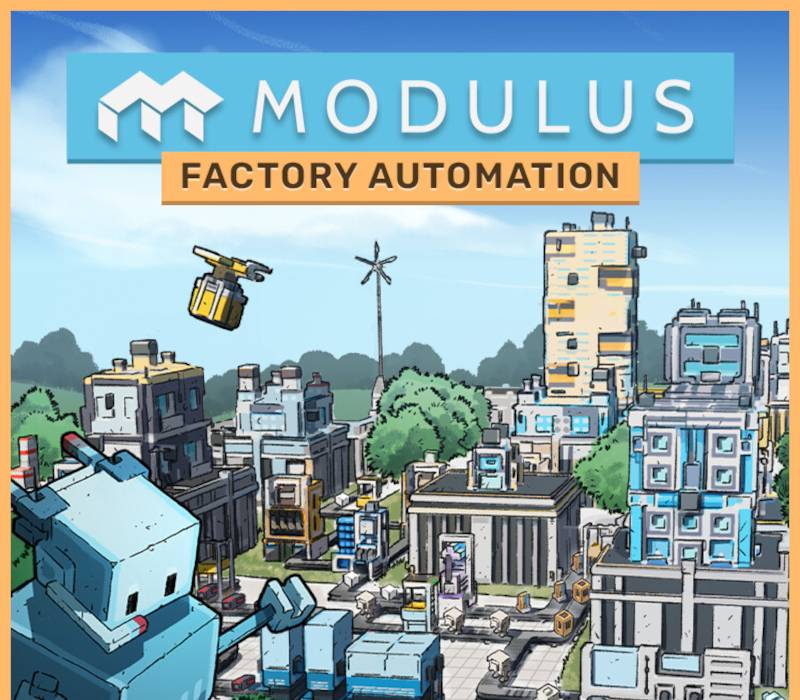
Modulus: Factory Automation PC Steam CD KeyModulus: Factory Automation – PC Buy Cheap Modulus: Factory Automation PC Game Overview Modulus: Factory Automation is a deep, systems‑driven automation and production simulator where you design, build, and optimize fully automated factories. Extract resources, research new technologies, create efficient production chains, and scale your industrial empire from a small workshop to a massive automated complex. With modular building, conveyor systems, logistics planning, and advanced automation tools, Modulus offers a satisfying blend of engineering, strategy, and creative problem‑solving — perfect for fans of factory‑building and optimization games. This PC version includes global activation and instant digital delivery. Key Features Modular Factory Building Design production lines using modular components, machines, and conveyor systems. Deep Automation Systems Automate everything from resource extraction to high‑tier manufacturing. Research & Technology Tree Unlock new machines, upgrades, and advanced automation tools. Resource Management Balance inputs, outputs, power usage, and logistics to keep production flowing. Scalable Complexity Start small and expand into a massive, fully automated industrial network. Optimization Gameplay Refine layouts, reduce bottlenecks, and maximize efficiency. PC Enhanced Smooth performance, clean UI, and full Steam integration. Who This Game Is For Perfect for players who: Enjoy factory‑building and automation games Like optimization, logistics, and production‑chain design Want a deep, scalable simulation experience Appreciate modular building systems Enjoy games like Factorio, Satisfactory, or Dyson Sphere Program Platform Details Platform: PC Region: Global Edition: Digital Activation Code Genre: Automation, Simulation, Strategy, Management How to Activate (PC) Log in to your Steam account. Click Add a Game → Activate a Product on Steam . Enter your Modulus: Factory Automation PC code. Download and start playing instantly.31,55 £*Shipping: 0,00 £Secure redirect to the provider
-
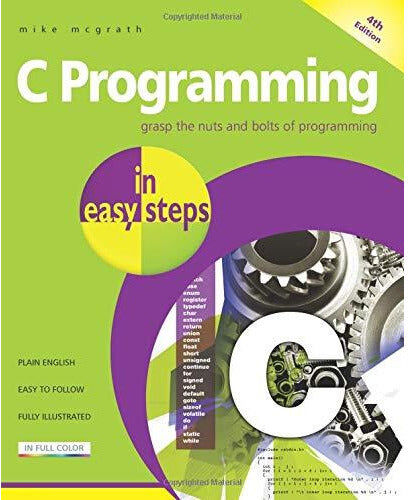
In Easy Steps Limited C Programming In Easy Steps 4th EditionC Programming in easy steps has an easy-to-follow style that will appeal to anyone who wants to begin programming in C, from programmers moving from another programming language, to the student who is studying C programming at school or college, or to those seeking a career in computing who need a fundamental understanding of procedural programming. C Programming in easy steps begins by explaining how to download and install a free C compiler so that you can quickly begin to create your own executable programs by copying the book's examples. You need have no previous knowledge of any programming language so it's ideal for the newcomer to computer programming. Each chapter builds your knowledge of C. C Programming in easy steps contains separate chapters on the major features of the C language. There are complete example programs that demonstrate each aspect of C together with screenshots that illustrate the output when that program has been executed. The sample code provided all has colored syntax-highlighting for clearer understanding. By the end of this book you will have gained a sound understanding of the C language and be able to write your own C programs and compile them into executable files that can be run on any compatible computer. Fully updated and revised since the third edition, which was published in April 2009.5,49 £*Shipping: 2,99 £Secure redirect to the provider
-
Learning Resources Switcheroo Coding CrewJoin the Switcheroo Coding Crew for challenge-solving, obstacle-evading, screen-free rescue missions! Preschoolers save the day the coding way with this three-in-one rescue robot who's ready for early STEM fun! Snap on a vehicle shell to transform...59,99 $*Shipping: 0,00 $Secure redirect to the provider
-
Learning Resources Pyxel The Coding PetKids use a computer or tablet to program this four-legged friend, then send their commands to the included remote to make the pet move, “talk”, and change facial expressions. Includes Coding Pet, user interface, and remote-activator unit. Pyxel The...124,99 $*Shipping: 0,00 $Secure redirect to the provider


-
What is the difference between appellative, descriptive, and normative?
Appellative refers to names or labels that are used to identify or refer to something, such as a person or object. Descriptive refers to statements or judgments that describe the characteristics or qualities of something. Normative refers to statements or judgments that prescribe or dictate what should be done based on a standard or norm. In summary, appellative is about naming, descriptive is about describing, and normative is about prescribing or dictating behavior. **
-
What are authority arguments, factual arguments, and normative arguments?
Authority arguments are based on the expertise or credibility of the source making the argument. They rely on the reputation or qualifications of the person or organization presenting the information. Factual arguments are based on evidence, data, and verifiable information. They rely on the accuracy and truthfulness of the information presented to support a particular point of view. Normative arguments are based on values, beliefs, and moral principles. They rely on what is considered to be right or wrong, good or bad, and are often used to make ethical or moral judgments. **
-
How do you distinguish between normative and descriptive statements?
Normative statements express an opinion or value judgment about what should or ought to be. They are subjective and cannot be proven true or false. Descriptive statements, on the other hand, describe the way things are or the way things are believed to be. They are objective and can be tested and proven true or false through observation and evidence. In summary, normative statements express opinions about what should be, while descriptive statements describe what is. **
-
What are the differences between normative, descriptive, and evaluative linguistics?
Normative linguistics focuses on prescribing rules and standards for language use, often based on traditional grammar and usage. Descriptive linguistics, on the other hand, aims to objectively describe and analyze how language is actually used by speakers and how it functions in different contexts. Evaluative linguistics involves making judgments about language use and its effectiveness, often considering factors such as clarity, appropriateness, and impact. While normative linguistics sets rules, descriptive linguistics observes language use, and evaluative linguistics assesses language in use. **


Is learning programming and software development very challenging?
Learning programming and software development can be challenging for some people, as it requires logical thinking, problem-solving skills, and attention to detail. However, with dedication, practice, and the right resources, it is definitely achievable. Breaking down complex concepts into smaller, more manageable parts and seeking help from online tutorials, courses, and communities can make the learning process easier and more enjoyable. Ultimately, the level of challenge will vary depending on the individual's background, experience, and learning style. **
Which programming languages are used in software development?
There are many programming languages used in software development, including popular languages such as Java, Python, C++, JavaScript, and Ruby. Each language has its own strengths and is used for different purposes in software development. For example, Java is commonly used for building enterprise-level applications, while Python is known for its simplicity and versatility. C++ is often used for system software and game development, while JavaScript is essential for web development. Overall, the choice of programming language depends on the specific requirements of the software being developed. **
Top-Angebote
Products related to Normative:
-
Bioserum Quince Normative Syrup 250 mlNutrition and Supplements Fatty acids and omegas Bioserum Quince Normative Syrup 250 ml Children under 8 years old: Take 5 ml. 3 times a day. Over 8 years old: Take 10 ml. 3 times a day. This product is beneficial to human health.16,70 £*Shipping: 3,99 £Secure redirect to the provider
-
Inspire Essentials Pet Glucose Monitoring Kit For Dogs And Cats With Easy No Coding Testing bTake a more active role in your pet's health with this pet glucose monitor designed for convenient at home blood sugar testing. Created specifically for dogs and cats, this easy to use monitoring kit helps pet owners track glucose levels quickly and...89,98 $*Shipping: 0,00 $Secure redirect to the provider
-
Modulus: Factory Automation PC Steam CD KeyModulus: Factory Automation – PC Buy Cheap Modulus: Factory Automation PC Game Overview Modulus: Factory Automation is a deep, systems‑driven automation and production simulator where you design, build, and optimize fully automated factories. Extract resources, research new technologies, create efficient production chains, and scale your industrial empire from a small workshop to a massive automated complex. With modular building, conveyor systems, logistics planning, and advanced automation tools, Modulus offers a satisfying blend of engineering, strategy, and creative problem‑solving — perfect for fans of factory‑building and optimization games. This PC version includes global activation and instant digital delivery. Key Features Modular Factory Building Design production lines using modular components, machines, and conveyor systems. Deep Automation Systems Automate everything from resource extraction to high‑tier manufacturing. Research & Technology Tree Unlock new machines, upgrades, and advanced automation tools. Resource Management Balance inputs, outputs, power usage, and logistics to keep production flowing. Scalable Complexity Start small and expand into a massive, fully automated industrial network. Optimization Gameplay Refine layouts, reduce bottlenecks, and maximize efficiency. PC Enhanced Smooth performance, clean UI, and full Steam integration. Who This Game Is For Perfect for players who: Enjoy factory‑building and automation games Like optimization, logistics, and production‑chain design Want a deep, scalable simulation experience Appreciate modular building systems Enjoy games like Factorio, Satisfactory, or Dyson Sphere Program Platform Details Platform: PC Region: Global Edition: Digital Activation Code Genre: Automation, Simulation, Strategy, Management How to Activate (PC) Log in to your Steam account. Click Add a Game → Activate a Product on Steam . Enter your Modulus: Factory Automation PC code. Download and start playing instantly.31,55 £*Shipping: 0,00 £Secure redirect to the provider
-
In Easy Steps Limited C Programming In Easy Steps 4th EditionC Programming in easy steps has an easy-to-follow style that will appeal to anyone who wants to begin programming in C, from programmers moving from another programming language, to the student who is studying C programming at school or college, or to those seeking a career in computing who need a fundamental understanding of procedural programming. C Programming in easy steps begins by explaining how to download and install a free C compiler so that you can quickly begin to create your own executable programs by copying the book's examples. You need have no previous knowledge of any programming language so it's ideal for the newcomer to computer programming. Each chapter builds your knowledge of C. C Programming in easy steps contains separate chapters on the major features of the C language. There are complete example programs that demonstrate each aspect of C together with screenshots that illustrate the output when that program has been executed. The sample code provided all has colored syntax-highlighting for clearer understanding. By the end of this book you will have gained a sound understanding of the C language and be able to write your own C programs and compile them into executable files that can be run on any compatible computer. Fully updated and revised since the third edition, which was published in April 2009.5,49 £*Shipping: 2,99 £Secure redirect to the provider
-
What is the lack of normative character?
The lack of normative character refers to a situation where something does not conform to established norms or standards. It can indicate a deviation from what is considered typical or acceptable behavior within a particular context. This lack of normative character can lead to confusion, conflict, or criticism as it goes against the expected or desired norms of a society or group. In essence, it signifies a departure from the normative expectations or guidelines that are commonly upheld. **
-
What is the difference between descriptive and normative ethics?
Descriptive ethics is the study of what people believe to be right or wrong, without making judgments about those beliefs. It describes the moral beliefs and practices of individuals or groups. On the other hand, normative ethics is concerned with determining what is morally right or wrong, good or bad. It seeks to establish ethical principles or theories that can guide individuals in making moral decisions. In essence, descriptive ethics describes existing moral beliefs, while normative ethics prescribes what ought to be considered morally right or wrong. **
-
What is the difference between appellative, descriptive, and normative?
Appellative refers to names or labels that are used to identify or refer to something, such as a person or object. Descriptive refers to statements or judgments that describe the characteristics or qualities of something. Normative refers to statements or judgments that prescribe or dictate what should be done based on a standard or norm. In summary, appellative is about naming, descriptive is about describing, and normative is about prescribing or dictating behavior. **
-
What are authority arguments, factual arguments, and normative arguments?
Authority arguments are based on the expertise or credibility of the source making the argument. They rely on the reputation or qualifications of the person or organization presenting the information. Factual arguments are based on evidence, data, and verifiable information. They rely on the accuracy and truthfulness of the information presented to support a particular point of view. Normative arguments are based on values, beliefs, and moral principles. They rely on what is considered to be right or wrong, good or bad, and are often used to make ethical or moral judgments. **
Similar search terms for Normative
-
Learning Resources Switcheroo Coding CrewJoin the Switcheroo Coding Crew for challenge-solving, obstacle-evading, screen-free rescue missions! Preschoolers save the day the coding way with this three-in-one rescue robot who's ready for early STEM fun! Snap on a vehicle shell to transform...59,99 $*Shipping: 0,00 $Secure redirect to the provider
-
Learning Resources Pyxel The Coding PetKids use a computer or tablet to program this four-legged friend, then send their commands to the included remote to make the pet move, “talk”, and change facial expressions. Includes Coding Pet, user interface, and remote-activator unit. Pyxel The...124,99 $*Shipping: 0,00 $Secure redirect to the provider
-
CentreSoft PlayStation 5 Adventure Software (Disc)This PlayStation 5 software falls within the adventure and arcade action-adventure category. As a small family-run business, we use AI to assist us in providing detailed product information. If you have any questions or concerns, please don't hesitate to contact us for clarification. CentreSoft is the brand behind this product.27,79 £*Shipping: 3,95 £Secure redirect to the provider
-
ACDSee Software Bundle Key Lifetime / 1 PCACDSee Creative Suite – LUXEA Pro Video Editor 7 & Gemstone Photo Editor 12 Unleash your full creative potential with the ACDSee Software Bundle , featuring LUXEA Pro Video Editor 7 and Gemstone Photo Editor 12 . This all-in-one package is designed for modern creators who demand professional-grade tools for both video production and advanced photo editing. What’s Included LUXEA Pro Video Editor 7 Timeline-based editing with drag-and-drop simplicity Motion tracking, keyframing, and cinematic transitions Screen recording and voiceover integration Full 4K output and social-ready export presets Gemstone Photo Editor 12 Layer-based editing with precision masking and blending RAW image support for over 600 camera models AI-powered selection and correction tools Multi-document tabbed interface for efficient multitasking This bundle is ideal for photographers, YouTubers, educators, and digital artists looking to streamline their workflow across photo and video projects.0,41 £*Shipping: 0,00 £Secure redirect to the provider
-
How do you distinguish between normative and descriptive statements?
Normative statements express an opinion or value judgment about what should or ought to be. They are subjective and cannot be proven true or false. Descriptive statements, on the other hand, describe the way things are or the way things are believed to be. They are objective and can be tested and proven true or false through observation and evidence. In summary, normative statements express opinions about what should be, while descriptive statements describe what is. **
-
What are the differences between normative, descriptive, and evaluative linguistics?
Normative linguistics focuses on prescribing rules and standards for language use, often based on traditional grammar and usage. Descriptive linguistics, on the other hand, aims to objectively describe and analyze how language is actually used by speakers and how it functions in different contexts. Evaluative linguistics involves making judgments about language use and its effectiveness, often considering factors such as clarity, appropriateness, and impact. While normative linguistics sets rules, descriptive linguistics observes language use, and evaluative linguistics assesses language in use. **
-
Is learning programming and software development very challenging?
Learning programming and software development can be challenging for some people, as it requires logical thinking, problem-solving skills, and attention to detail. However, with dedication, practice, and the right resources, it is definitely achievable. Breaking down complex concepts into smaller, more manageable parts and seeking help from online tutorials, courses, and communities can make the learning process easier and more enjoyable. Ultimately, the level of challenge will vary depending on the individual's background, experience, and learning style. **
-
Which programming languages are used in software development?
There are many programming languages used in software development, including popular languages such as Java, Python, C++, JavaScript, and Ruby. Each language has its own strengths and is used for different purposes in software development. For example, Java is commonly used for building enterprise-level applications, while Python is known for its simplicity and versatility. C++ is often used for system software and game development, while JavaScript is essential for web development. Overall, the choice of programming language depends on the specific requirements of the software being developed. **
* All prices are inclusive of VAT and, if applicable, plus shipping costs. The offer information is based on the details provided by the respective shop and is updated through automated processes. Real-time updates do not occur, so deviations can occur in individual cases. ** Note: Parts of this content were created by AI.