Buy software24.eu ?
We are moving the project
software24.eu .
Are you interested in purchasing the domain
software24.eu ?
domain@kv-gmbh.de · 0541-91531010
Buy software24.eu ?
What does coding mean in biology?
In biology, coding refers to the process of translating the genetic information stored in DNA into functional proteins. This process involves the transcription of DNA into messenger RNA (mRNA) and the subsequent translation of mRNA into specific amino acids, which then form proteins. The coding sequence within DNA, known as a gene, contains the instructions for the order of amino acids in a specific protein. Understanding the coding sequence is crucial for studying gene expression, protein function, and the underlying mechanisms of biological processes. **
What is the coding strand in biology?
The coding strand, also known as the sense strand, is the DNA strand that has the same sequence as the mRNA that is transcribed from it. This means that the coding strand serves as the template for the mRNA, which is then used to produce proteins through the process of translation. The other DNA strand, known as the template strand or antisense strand, is complementary to the coding strand and is used as the template for mRNA synthesis. **

Similar search terms for Biology
Top-Angebote
Products related to Biology:
-
A-Derma Biology AC cleansing micellar water 200 mlA-Derma Biology AC, 200 ml, Micellar Waters for Women, The A-DermaBiologyAC micellar water is enriched with tiny active particles that bind to any impurities and sebum on contact with the skin. Thanks to these particles, called micelles, this water ensures thorough foundation removal in a few minutes and without the need for pressure or friction on the skin. The micelles are so effective that they can handle even the most stubborn waterproof foundation. Characteristics: cleans pores deeply keeps skin balanced can also be used on sensitive skin Ingredients: contains a minimum of 99% ingredients of natural origin How to use: Use in the morning and evening or as needed. Apply enough of the product to a cotton wool pad and wipe gently to remove makeup and clean the skin.12,10 £*Shipping: 3,99 £Secure redirect to the provider
-
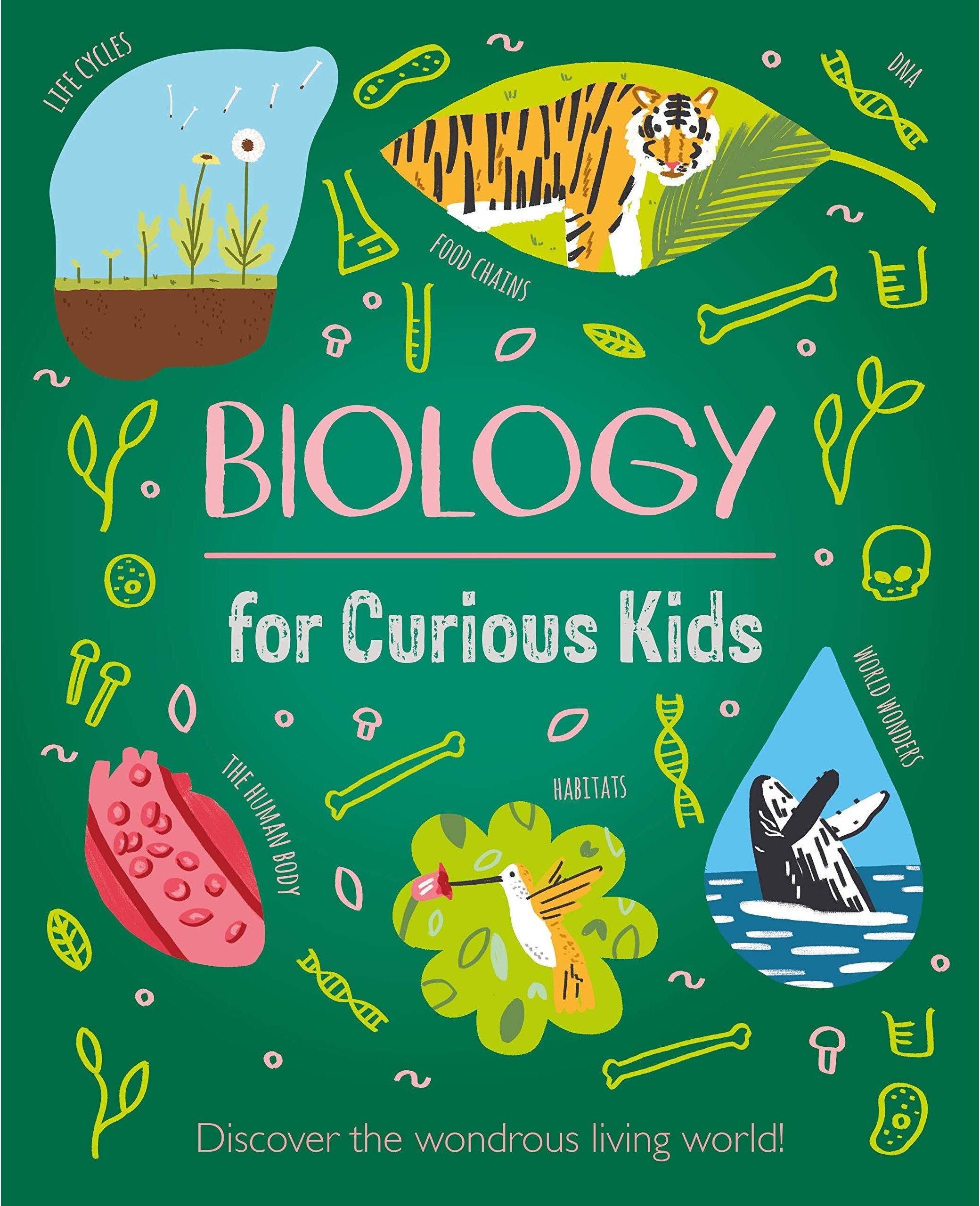
Arcturus Biology for Curious Kids: Discover the Wondrous Living World! (Curious Kids, 1)Young readers can take their first step in a lifelong love of the natural world with this introduction to biology, presented in a wonderful jacketed hardback format with full-colour illustrations. This inspirational book is packed with clear and engaging explanations of the natural world and the science behind it, accompanied by beautiful full-colour illustrations by Alex Foster. Supporting STEM learning, this book is an ideal supplement to school education as it covers many core topics in an entertaining and easy-to-understand way. Big new concepts pop off the page thanks to vibrant diagrams and an engaging, energetic text. Kids will relish sharing them with friends and family! Young readers will love exploring exhilarating new ideas about: • The human body and its organs • Animals, plants, and other living things • The microscopic universe of cells • Ecology and biodiversity Perfect for readers aged 8-12.7,99 £*Shipping: 2,99 £Secure redirect to the provider
-
CGP Books GCSE AQA Combined Science Revision Question Cards 3 Pack Set (Chemistry, Physics, Biology)To cut to the chase, there’s more to revision than just reading through study notes. If you really want to make sure you know GCSE Chemistry, Physics and Biology you’ll need to test yourself - and that’s where these CGP Revision Question Cards come in! There are 95 cards in the pack, covering every key Grade 9-1 AQA topic. Each one starts off with quick questions to warm you up, followed by harder questions to get your brain into top gear. Flip the card over and you’ll find full answers to each question, carefully written to help you understand everything you need to know. Along the way, we’ve packed in plenty of diagrams and expert revision tips, and there are even questions on Working Scientifically and Practical Skills. Amazing!21,99 £*Shipping: 2,99 £Secure redirect to the provider
-
Icon Books The Epigenetics Revolution - How Modern Biology Is Rewriting Our Understanding Of Genetics Disease..At the beginning of this century enormous progress had been made in genetics. The Human Genome Project finished sequencing human DNA. It seemed it was only a matter of time until we had all the answers to the secrets of life on this planet.6,95 £*Shipping: 2,99 £Secure redirect to the provider


-
Is learning programming and software development very challenging?
Learning programming and software development can be challenging for some people, as it requires logical thinking, problem-solving skills, and attention to detail. However, with dedication, practice, and the right resources, it is definitely achievable. Breaking down complex concepts into smaller, more manageable parts and seeking help from online tutorials, courses, and communities can make the learning process easier and more enjoyable. Ultimately, the level of challenge will vary depending on the individual's background, experience, and learning style. **
-
Which programming languages are used in software development?
There are many programming languages used in software development, including popular languages such as Java, Python, C++, JavaScript, and Ruby. Each language has its own strengths and is used for different purposes in software development. For example, Java is commonly used for building enterprise-level applications, while Python is known for its simplicity and versatility. C++ is often used for system software and game development, while JavaScript is essential for web development. Overall, the choice of programming language depends on the specific requirements of the software being developed. **
-
What is the difference between software development and programming?
Software development is a broader term that encompasses the entire process of creating software, including planning, designing, testing, and maintaining software applications. Programming, on the other hand, refers specifically to the act of writing code to instruct a computer to perform certain tasks. While programming is a key component of software development, software development involves a more comprehensive approach that includes various stages beyond just writing code. **
-
Can someone explain the development of dietary patterns in biology?
Dietary patterns in biology have developed over time as a result of various factors such as evolutionary changes, environmental influences, and cultural practices. Early humans had a diet mainly consisting of fruits, vegetables, and lean meats obtained through hunting and gathering. As societies evolved, agriculture and domestication of animals led to the inclusion of grains, dairy, and other food sources in the human diet. Additionally, globalization and technological advancements have further influenced dietary patterns, leading to the consumption of processed foods and a shift towards more sedentary lifestyles. Overall, the development of dietary patterns in biology is a complex interplay of biological, environmental, and cultural factors. **


Which programming language is suitable for software development for the PC?
There are several programming languages that are suitable for software development for the PC, but some of the most popular and widely used ones include C++, Java, and C#. C++ is a powerful and versatile language that is commonly used for developing system software and applications that require high performance. Java is a popular choice for developing cross-platform applications, as it can run on any operating system that has a Java Virtual Machine. C# is commonly used for developing Windows applications and is well-integrated with the .NET framework. Ultimately, the choice of programming language depends on the specific requirements of the software being developed and the preferences of the development team. **
In automation, which software is it?
In automation, the software used is typically referred to as automation software or automation tools. These tools are designed to automate repetitive tasks, streamline processes, and increase efficiency in various industries. Some popular examples of automation software include UiPath, Blue Prism, Automation Anywhere, and Selenium. These tools often use technologies such as robotic process automation (RPA) and artificial intelligence to mimic human actions and perform tasks with minimal human intervention. **
Top-Angebote
Products related to Biology:
-
A-DERMA Biology Dermatological Micellar Water 400 mlHealth and Beauty Facial Cleansing A-DERMA Biology Dermatological Micellar Water 400 ml What is A-Derma Biology Dermatological Micellar Water 400 ml? A-Derma Biology Dermatological Micellar Water is a gentle yet effective facial cleanser designed to purify and soothe the skin without causing irritation. Presented in a 400 ml container, this product uses a biodegradable formula and is enriched with organically grown Rhealba Oat extract, offering care that is both environmentally friendly and gentle on your skin. Benefits: Deep cleansing: Effectively removes makeup, impurities and excess sebum without rinsing. Skin and environmental friendly: Formulated without perfume and with biodegradable ingredients. Soothes and softens: Ideal for reducing the feeling of tightness, leaving the skin soft and comfortable. Ideal for sensitive skin: Its hypoallergenic, alcohol-free formula ensures optimal tolerance for all skin types, even the most sensitive. Who's it for? A-Derma Biology Dermatological Micellar Water is perfect for people looking for an effective facial cleanser that's gentle and kind to both their skin and the environment. It's ideal for users of all skin types, including those with sensitive or irritation-prone skin. How do I apply it? (Product use) Application: Soak a cotton ball with micellar water. To use: Gently wipe the cotton ball over your entire face, eyes, and lips, repeating the process until the ball is clean. Frequency: Use daily, morning and/or night, as part of your facial cleansing routine. No rinse: You don't need to rinse, as its formula leaves your skin fresh and residue-free. Buy A-Derma Biology Dermatological Micellar Water 400 ml. Visit our online store to purchase A-Derma Biology Dermatological Micellar Water 400 ml and transform your facial care routine. This product not only cleanses and soothes, but also respects your skin and the environment. Place your order today and enjoy the benefits of a gentle and effective facial cleansing.12,66 £*Shipping: 3,99 £Secure redirect to the provider
-
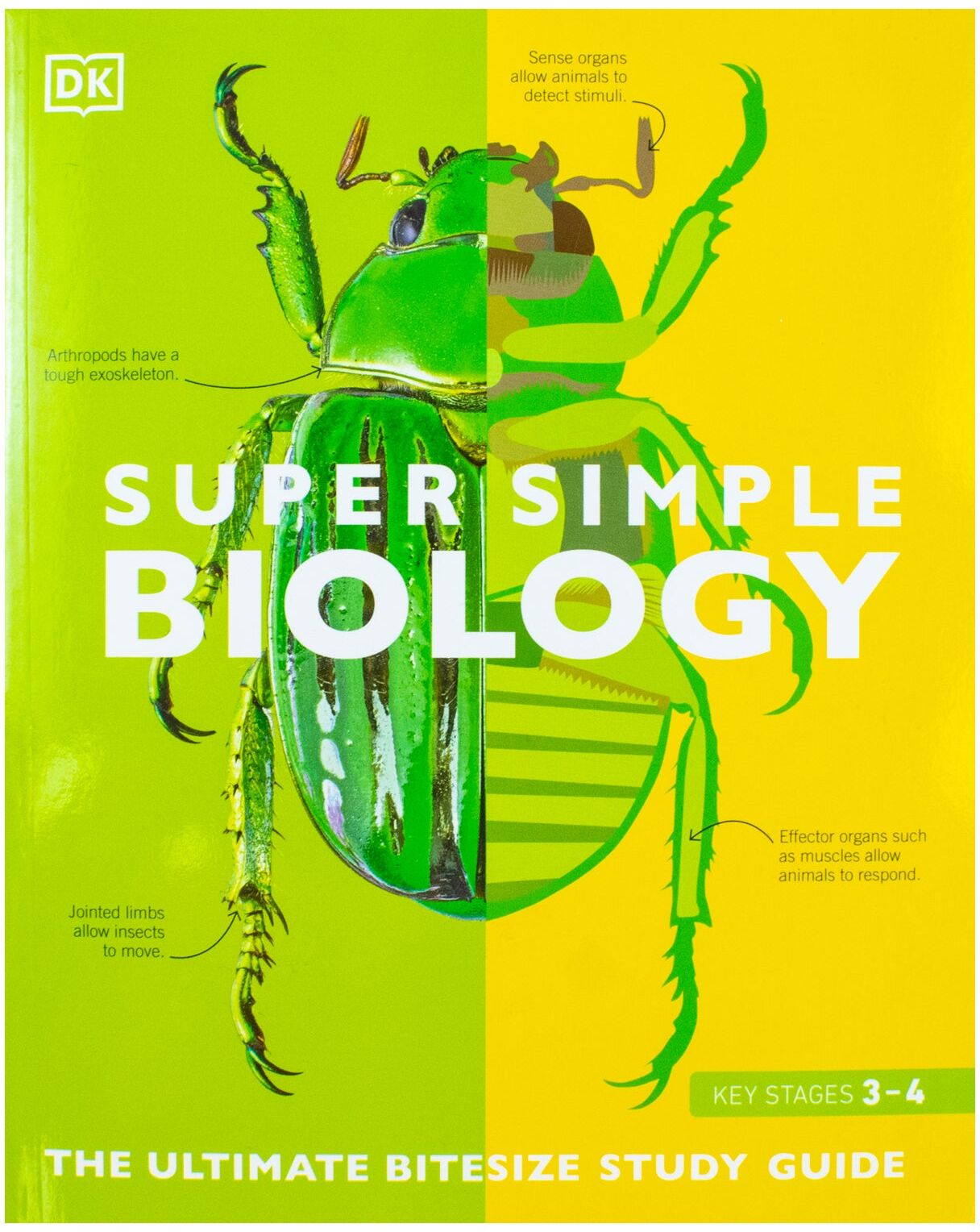
Dorling Kindersley Super Simple Biology by DK - DK Super Simple Series - Paperback Study Guide - KS3/GCSE Biology Revision - Ages 11-16Super Simple Biology by DK is a clear, richly illustrated reference created in association with the Smithsonian Institution. Designed for KS3 and GCSE-level students, it breaks down every core biology topic into bitesize, visual chunks. This 288-page paperback guide is part of DK's popular Super Simple series, built to support students working through Key Stage 3 and towards GCSE Biology. Each topic is laid out across a one- or two-page spread combining concise explanations with bold, colourful illustrations and diagrams that make abstract processes easy to visualise.7,90 £*Shipping: 2,99 £Secure redirect to the provider
-
A-Derma Biology AC cleansing micellar water 200 mlA-Derma Biology AC, 200 ml, Micellar Waters for Women, The A-DermaBiologyAC micellar water is enriched with tiny active particles that bind to any impurities and sebum on contact with the skin. Thanks to these particles, called micelles, this water ensures thorough foundation removal in a few minutes and without the need for pressure or friction on the skin. The micelles are so effective that they can handle even the most stubborn waterproof foundation. Characteristics: cleans pores deeply keeps skin balanced can also be used on sensitive skin Ingredients: contains a minimum of 99% ingredients of natural origin How to use: Use in the morning and evening or as needed. Apply enough of the product to a cotton wool pad and wipe gently to remove makeup and clean the skin.12,10 £*Shipping: 3,99 £Secure redirect to the provider
-
Arcturus Biology for Curious Kids: Discover the Wondrous Living World! (Curious Kids, 1)Young readers can take their first step in a lifelong love of the natural world with this introduction to biology, presented in a wonderful jacketed hardback format with full-colour illustrations. This inspirational book is packed with clear and engaging explanations of the natural world and the science behind it, accompanied by beautiful full-colour illustrations by Alex Foster. Supporting STEM learning, this book is an ideal supplement to school education as it covers many core topics in an entertaining and easy-to-understand way. Big new concepts pop off the page thanks to vibrant diagrams and an engaging, energetic text. Kids will relish sharing them with friends and family! Young readers will love exploring exhilarating new ideas about: • The human body and its organs • Animals, plants, and other living things • The microscopic universe of cells • Ecology and biodiversity Perfect for readers aged 8-12.7,99 £*Shipping: 2,99 £Secure redirect to the provider
-
What does coding mean in biology?
In biology, coding refers to the process of translating the genetic information stored in DNA into functional proteins. This process involves the transcription of DNA into messenger RNA (mRNA) and the subsequent translation of mRNA into specific amino acids, which then form proteins. The coding sequence within DNA, known as a gene, contains the instructions for the order of amino acids in a specific protein. Understanding the coding sequence is crucial for studying gene expression, protein function, and the underlying mechanisms of biological processes. **
-
What is the coding strand in biology?
The coding strand, also known as the sense strand, is the DNA strand that has the same sequence as the mRNA that is transcribed from it. This means that the coding strand serves as the template for the mRNA, which is then used to produce proteins through the process of translation. The other DNA strand, known as the template strand or antisense strand, is complementary to the coding strand and is used as the template for mRNA synthesis. **
-
Is learning programming and software development very challenging?
Learning programming and software development can be challenging for some people, as it requires logical thinking, problem-solving skills, and attention to detail. However, with dedication, practice, and the right resources, it is definitely achievable. Breaking down complex concepts into smaller, more manageable parts and seeking help from online tutorials, courses, and communities can make the learning process easier and more enjoyable. Ultimately, the level of challenge will vary depending on the individual's background, experience, and learning style. **
-
Which programming languages are used in software development?
There are many programming languages used in software development, including popular languages such as Java, Python, C++, JavaScript, and Ruby. Each language has its own strengths and is used for different purposes in software development. For example, Java is commonly used for building enterprise-level applications, while Python is known for its simplicity and versatility. C++ is often used for system software and game development, while JavaScript is essential for web development. Overall, the choice of programming language depends on the specific requirements of the software being developed. **
Similar search terms for Biology
-
CGP Books GCSE AQA Combined Science Revision Question Cards 3 Pack Set (Chemistry, Physics, Biology)To cut to the chase, there’s more to revision than just reading through study notes. If you really want to make sure you know GCSE Chemistry, Physics and Biology you’ll need to test yourself - and that’s where these CGP Revision Question Cards come in! There are 95 cards in the pack, covering every key Grade 9-1 AQA topic. Each one starts off with quick questions to warm you up, followed by harder questions to get your brain into top gear. Flip the card over and you’ll find full answers to each question, carefully written to help you understand everything you need to know. Along the way, we’ve packed in plenty of diagrams and expert revision tips, and there are even questions on Working Scientifically and Practical Skills. Amazing!21,99 £*Shipping: 2,99 £Secure redirect to the provider
-
Icon Books The Epigenetics Revolution - How Modern Biology Is Rewriting Our Understanding Of Genetics Disease..At the beginning of this century enormous progress had been made in genetics. The Human Genome Project finished sequencing human DNA. It seemed it was only a matter of time until we had all the answers to the secrets of life on this planet.6,95 £*Shipping: 2,99 £Secure redirect to the provider
-
CGP Books CGP GCSE 9-1 AQA Revision Question Cards 3 Books Collection Set (Biology, Physics, Chemistry)New 9-1 gcse chemistry, biology, physics collection 3 books set -aqa revision question cards. Description:- New 9-1 GCSE Chemistry AQA Revision Question Cards (CGP GCSE Chemistry 9-1 Revision) To cut to the chase, there’s more to revision than just reading through study notes. If you really want to make sure you know GCSE Chemistry, you’ll need to test yourself - and that’s where these CGP Revision Question Cards come in! There are 95 cards in the pack, covering every key Grade 9-1 AQA topic. Each one starts off with quick questions to warm you up, followed by harder questions to get your brain into top gear. Flip the card over and you’ll find full answers to each question, carefully written to help you understand everything you need to know. New 9-1 GCSE Physics AQA Revision Question Cards (CGP GCSE Physics 9-1 Revision) Reading over study notes doesn’t mean you’ll automatically remember everything - to really put your GCSE Physics knowledge to the test, try these superb CGP Revision Question Cards! There are 95 cards in the pack, covering every key Grade 9-1 AQA topic. Each one starts off with quick questions to warm you up, followed by harder questions to get your brain into top gear. Flip the card over and you’ll find full answers to each question, carefully written to help you understand everything you need to know. New 9-1 GCSE Biology AQA Revision Question Cards (CGP GCSE Biology 9-1 Revision) Let’s face it: you won’t learn much by just reading through your study notes. If you really want to make sure you know GCSE Biology, you’ll need to test yourself - and that’s where these CGP Revision Question Cards come in! There are 95 cards in the pack, covering every key Grade 9-1 AQA topic. Each one starts off with quick questions to warm you up, followed by harder questions to get your brain into top gear. Flip the card over and you’ll find full answers to each question, carefully written to help you understand everything you need to know.25,95 £*Shipping: 2,99 £Secure redirect to the provider
-
My Revision Notes: AQA GCSE (9-1) Biology, Physics & Chemistry 3 Books Collection Set - Ages 14-16 - Paperback Hodder EducationTitle in This Set: 1. My Revision Notes: AQA GCSE (9-1) Biology 2. My Revision Notes: AQA GCSE (9-1) Physics 3. My Revision Notes: AQA GCSE (9-1) Chemistry Description: Exam Board: AQA Level: GCSE Subject: Biology, Physics & Chemistry First Teaching: September 2016 First Exam: Summer 2018 Unlock your students' full potential with these revision guides from our best-selling series My Revision Notes With My Revision Notes your students can: - Manage their own revision with step-by-step support from experienced teachers with examining experience. - Apply scientific terms accurately with the help of definitions and key words. - Prepare for practicals with questions based on practical work. - Focus on the key points from each topic - Plan and pace their revision with the revision planner. - Test understanding with end-of-topic questions and answers. - Get exam ready with last minute quick quizzes available on the Hodder Education Website.19,99 £*Shipping: 2,99 £Secure redirect to the provider
-
What is the difference between software development and programming?
Software development is a broader term that encompasses the entire process of creating software, including planning, designing, testing, and maintaining software applications. Programming, on the other hand, refers specifically to the act of writing code to instruct a computer to perform certain tasks. While programming is a key component of software development, software development involves a more comprehensive approach that includes various stages beyond just writing code. **
-
Can someone explain the development of dietary patterns in biology?
Dietary patterns in biology have developed over time as a result of various factors such as evolutionary changes, environmental influences, and cultural practices. Early humans had a diet mainly consisting of fruits, vegetables, and lean meats obtained through hunting and gathering. As societies evolved, agriculture and domestication of animals led to the inclusion of grains, dairy, and other food sources in the human diet. Additionally, globalization and technological advancements have further influenced dietary patterns, leading to the consumption of processed foods and a shift towards more sedentary lifestyles. Overall, the development of dietary patterns in biology is a complex interplay of biological, environmental, and cultural factors. **
-
Which programming language is suitable for software development for the PC?
There are several programming languages that are suitable for software development for the PC, but some of the most popular and widely used ones include C++, Java, and C#. C++ is a powerful and versatile language that is commonly used for developing system software and applications that require high performance. Java is a popular choice for developing cross-platform applications, as it can run on any operating system that has a Java Virtual Machine. C# is commonly used for developing Windows applications and is well-integrated with the .NET framework. Ultimately, the choice of programming language depends on the specific requirements of the software being developed and the preferences of the development team. **
-
In automation, which software is it?
In automation, the software used is typically referred to as automation software or automation tools. These tools are designed to automate repetitive tasks, streamline processes, and increase efficiency in various industries. Some popular examples of automation software include UiPath, Blue Prism, Automation Anywhere, and Selenium. These tools often use technologies such as robotic process automation (RPA) and artificial intelligence to mimic human actions and perform tasks with minimal human intervention. **
* All prices are inclusive of VAT and, if applicable, plus shipping costs. The offer information is based on the details provided by the respective shop and is updated through automated processes. Real-time updates do not occur, so deviations can occur in individual cases. ** Note: Parts of this content were created by AI.