Buy software24.eu ?
We are moving the project
software24.eu .
Are you interested in purchasing the domain
software24.eu ?
domain@kv-gmbh.de · 0541-91531010
Buy software24.eu ?
Which thesaurus is better?
The choice of which thesaurus is better depends on personal preference and the specific needs of the user. Some people may prefer a traditional print thesaurus for its tactile experience and ease of use, while others may prefer an online thesaurus for its convenience and accessibility. It is recommended to try out different thesauruses to see which one best suits your needs and preferences. **
Is learning programming and software development very challenging?
Learning programming and software development can be challenging for some people, as it requires logical thinking, problem-solving skills, and attention to detail. However, with dedication, practice, and the right resources, it is definitely achievable. Breaking down complex concepts into smaller, more manageable parts and seeking help from online tutorials, courses, and communities can make the learning process easier and more enjoyable. Ultimately, the level of challenge will vary depending on the individual's background, experience, and learning style. **
Similar search terms for Thesaurus
Top-Angebote
Products related to Thesaurus:
-
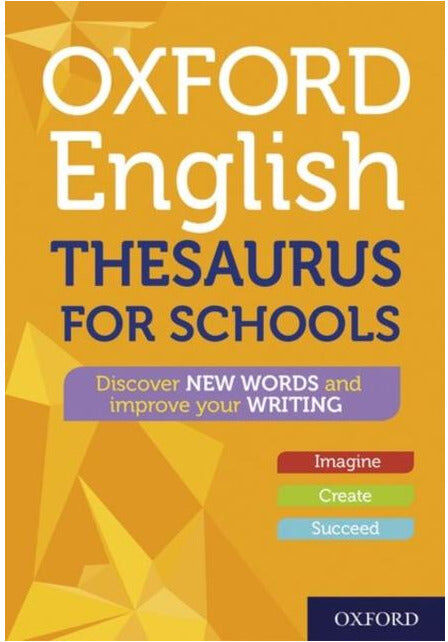
OXFORD UNIVERSITY PRESS Oxford English Thesaurus For SchoolsThe Oxford English Thesaurus for Schools is easy to use with its accessible layout, making it the perfect language resource for school work and studying at home. Fully updated, it delivers a wide vocabulary with excellent coverage of curriculum words, for example cell and fraction, as well new words on topics such as technology, health and the environment. It also provides context with age-appropriate example sentences, from the best children's books and teenage fiction, to show students how to use language most effectively. It is powered by the Oxford Children's Corpus, a unique electronic database of millions of words written by and for children, which means that the vocabulary is presented in a way that is both accessible and stretching. It gives hands-on support to young writers, with a unique toolkit on writing skills, including word webs, special synonyms, overused words panels, writing tips panels, and usage notes. It also includes a new section on creative writing drawing on the 500 words to support students with their own writing. This is the ideal resource to use when preparing for the Spoken Language Study and the English Language objectives of the GCSE specifications for KS3-4, and where permitted, is ideal for taking in to Controlled Assessments, along with the companion Oxford English Dictionary for Schools. Free downloadable learning resources, word games, puzzles, and much more are available for additional online support at www.oxforddictionaries.com/schools9,49 £*Shipping: 2,99 £Secure redirect to the provider
-
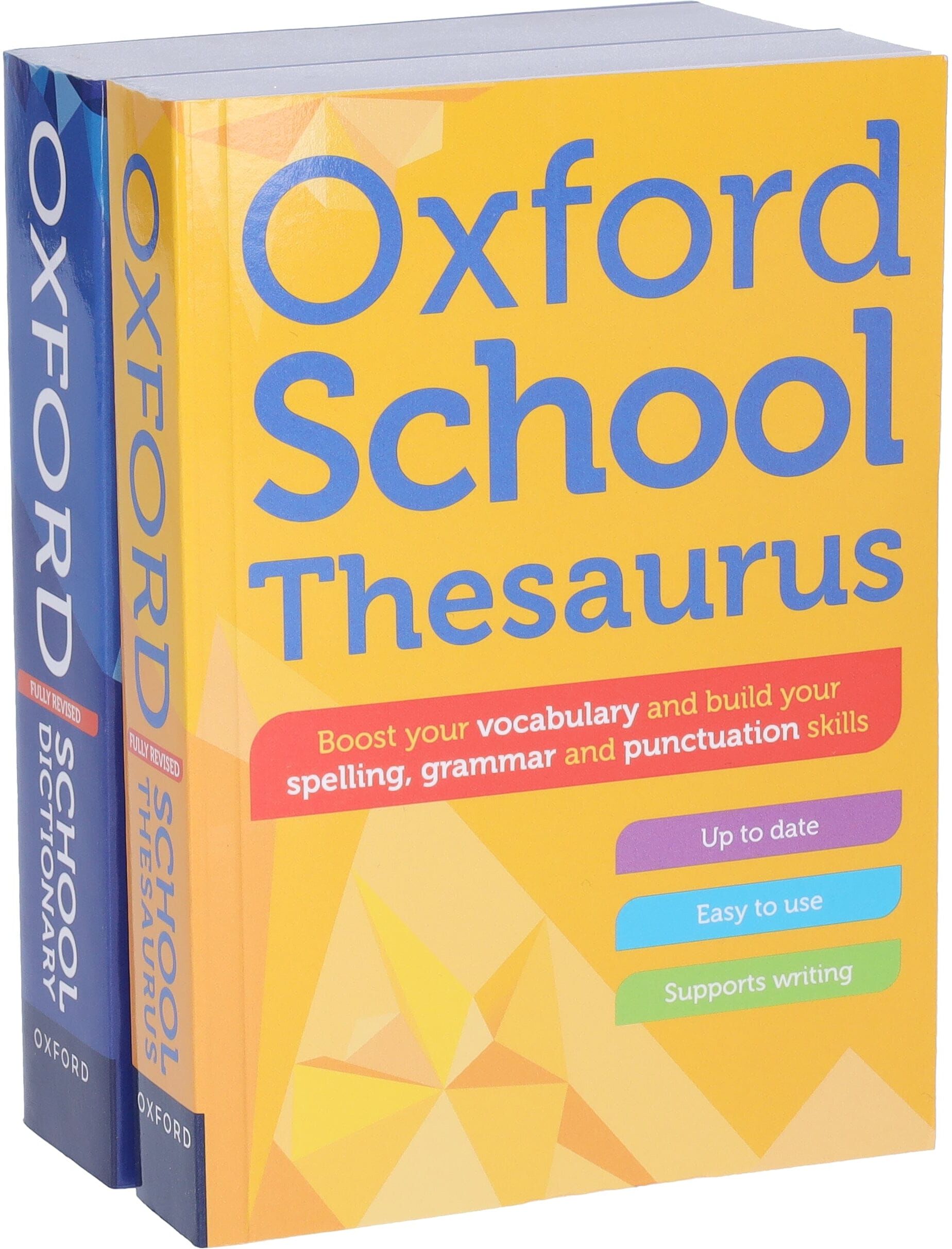
Oxford School Dictionary and Thesaurus 2 Books Collection Set - Non-Fiction - Paperback Oxford University PressThe Oxford School Dictionary and Thesaurus is an essential reference tool for students in primary and secondary education. The dictionary and thesaurus are combined into a single volume, making it an efficient and practical resource for students to use. The Oxford School Dictionary and Thesaurus is designed to provide young learners with the skills necessary to improve their reading and writing skills. The dictionary section of the book contains over 40,000 words, phrases, and definitions. The words are presented in alphabetical order, with clear and concise definitions that are easy for students to understand. Each entry includes a part of speech, a pronunciation guide, and example sentences to provide context for the word's usage. The dictionary also includes important information about word origins, prefixes, suffixes, and spelling rules to help students expand their vocabulary and language skills. One of the most significant benefits of the Oxford School Dictionary and Thesaurus is the inclusion of a thesaurus section. The thesaurus contains over 50,000 synonyms and antonyms, making it an invaluable tool for students looking to improve their writing skills. The thesaurus section is arranged in alphabetical order, making it easy for students to find the word they are looking for. The thesaurus also includes example sentences to provide context for the synonyms and antonyms and help students understand how to use them effectively. The Oxford School Dictionary and Thesaurus also include a range of additional features designed to support and enhance students' learning experience. The book contains a reference section with essential information on grammar, punctuation, and spelling. This section provides clear and concise explanations of essential language rules and guidelines, helping students to develop a strong foundation in English language skills. Another helpful feature of the Oxford School Dictionary and Thesaurus is the inclusion of word histories and language notes. These sections provide fascinating insights into the origins of words and how they have evolved over time. This information not only enhances students' understanding of language but also encourages an interest in language and its development. The Oxford School Dictionary and Thesaurus are designed with students in mind, with clear and easy-to-read text, helpful illustrations, and a durable hardback cover. The book is easy to navigate, with clear cross-referencing between the dictionary and thesaurus sections, making it a user-friendly tool for students to use. The Oxford School Dictionary and Thesaurus is an excellent resource for students of all ages and levels of ability. Whether students are just beginning to learn English or looking to improve their language skills, this book provides a wealth of information and support to help them achieve their goals. The book is particularly useful for students preparing for exams or assessments, as it provides essential information on...14,49 £*Shipping: 2,99 £Secure redirect to the provider
-
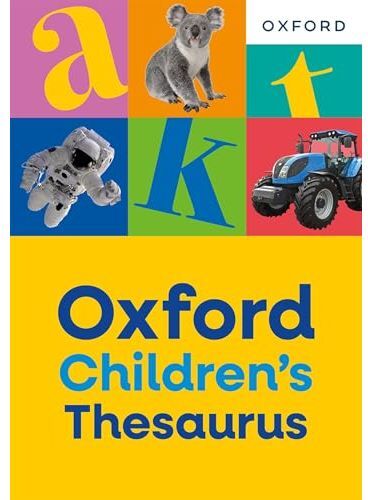
OUP Oxford Oxford Children's Thesaurus: Build vocabulary skills for ages 8+ with age-appropriate synonyms (Oxford Children's Dictionaries)Help children take their writing and speaking skills to the next level with the Oxford Children's Thesaurus - the essential vocabulary builder for young learners aged 8+. Perfect for home learning, homework support, or independent writing, this thesaurus inspires children to expand their language with thousands of exciting, creative, age-appropriate synonyms. Key features include: • Builds confident writing and speaking skills for ages 8+ (KS2), with thousands of exciting, creative synonyms designed specifically for children. • Clear, age-appropriate example sentences show synonyms in context, making it easy for young learners to understand and use new vocabulary independently. • Photographic images throughout help support comprehension and strengthen visual learning. • Easy-to-navigate design with alphabet thumb tabs, allowing children to quickly find the words they need for homework, school projects, or creative writing. • Includes a full writing supplement covering fiction, non-fiction, reports, and descriptive writing, helping children apply their new vocabulary in real tasks. • Overused Word panels offer smarter, more interesting alternatives to words like nice, good, big, and fun, helping children avoid repetition. • Writing Tips panels inspire creativity and help children experiment with tone, detail, and expression. • Word Web panels show related words and ideas to further develop vocabulary breadth and help children make richer word choices. • Powered by the Oxford Children's Corpus - a unique database of children's writing - ensuring vocabulary reflects real writing by real children and supports the words young learners actually use. • An ideal companion to the Oxford Children's Dictionary (9781382074117), supporting both vocabulary building and dictionary skills.7,99 £*Shipping: 2,99 £Secure redirect to the provider
-
Which programming languages are used in software development?
There are many programming languages used in software development, including popular languages such as Java, Python, C++, JavaScript, and Ruby. Each language has its own strengths and is used for different purposes in software development. For example, Java is commonly used for building enterprise-level applications, while Python is known for its simplicity and versatility. C++ is often used for system software and game development, while JavaScript is essential for web development. Overall, the choice of programming language depends on the specific requirements of the software being developed. **
-
What is the difference between software development and programming?
Software development is a broader term that encompasses the entire process of creating software, including planning, designing, testing, and maintaining software applications. Programming, on the other hand, refers specifically to the act of writing code to instruct a computer to perform certain tasks. While programming is a key component of software development, software development involves a more comprehensive approach that includes various stages beyond just writing code. **
-
Which programming language is suitable for software development for the PC?
There are several programming languages that are suitable for software development for the PC, but some of the most popular and widely used ones include C++, Java, and C#. C++ is a powerful and versatile language that is commonly used for developing system software and applications that require high performance. Java is a popular choice for developing cross-platform applications, as it can run on any operating system that has a Java Virtual Machine. C# is commonly used for developing Windows applications and is well-integrated with the .NET framework. Ultimately, the choice of programming language depends on the specific requirements of the software being developed and the preferences of the development team. **
-
In automation, which software is it?
In automation, the software used is typically referred to as automation software or automation tools. These tools are designed to automate repetitive tasks, streamline processes, and increase efficiency in various industries. Some popular examples of automation software include UiPath, Blue Prism, Automation Anywhere, and Selenium. These tools often use technologies such as robotic process automation (RPA) and artificial intelligence to mimic human actions and perform tasks with minimal human intervention. **


In automation, which software is being used?
In automation, various software is being used depending on the specific application and industry. Some common examples of automation software include robotic process automation (RPA) tools such as UiPath, Blue Prism, and Automation Anywhere for automating repetitive tasks, industrial automation software like Siemens PLC and Rockwell Automation for controlling manufacturing processes, and software for test automation such as Selenium and Appium for automating software testing. Additionally, there are also software platforms for business process automation, such as Microsoft Power Automate and Zapier, which enable the automation of workflows and business processes. **
Who is better in programming and software development: mechatronics engineers or IT specialists?
It is difficult to determine who is better in programming and software development between mechatronics engineers and IT specialists as both have their own strengths and expertise. Mechatronics engineers have a strong foundation in mechanical, electrical, and computer engineering, allowing them to develop software for embedded systems and control systems. On the other hand, IT specialists have a deep understanding of software development and programming languages, with a focus on creating applications and managing information systems. Ultimately, the better choice depends on the specific requirements of the project and the expertise of the individual professionals involved. **
Top-Angebote
Products related to Thesaurus:
-
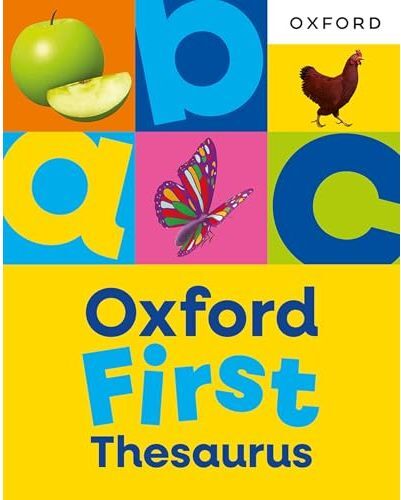
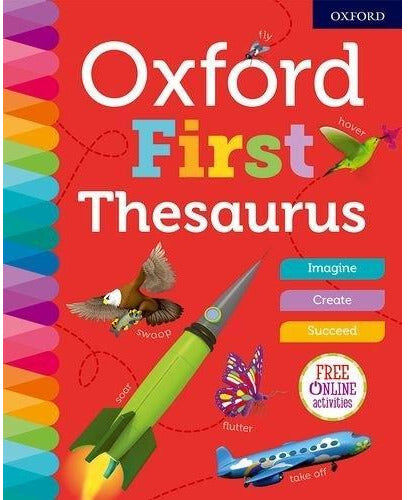
OUP Oxford Oxford First Thesaurus: An illustrated thesaurus for children age 5+ (Oxford First Dictionaries)Help children build confident speaking and writing skills with the Oxford First Thesaurus - a vibrant, child-friendly thesaurus designed especially for ages 5 and up. Perfect for use at home or in the classroom, it supports early language development by encouraging children to explore new and adventurous vocabulary in a fun, accessible way. Key features include: • Perfect for ages 5+: Developed specifically for young learners to build early speaking and writing confidence • Supports vocabulary growth: Age-appropriate example sentences help children understand synonyms in real-life context • Engaging full-colour illustrations: Bright, 3D artwork helps bring vocabulary to life and makes learning fun • Easy to navigate: Clear alphabetical layout with alphabet thumb tabs and easy-to-use index so children can independently find the words they need • Powered by the Oxford Children's Corpus: Created using a database of real examples of children's writing ensure natural, relevant vocabulary • Perfect classroom or home companion: Works seamlessly alongside the Oxford First Dictionary (9781382076487) for complete early-language support6,99 £*Shipping: 2,99 £Secure redirect to the provider
-
OXFORD UNIVERSITY PRESS Oxford First ThesaurusThis major new edition of the Oxford First Thesaurus in paperback has been updated to include more related words; synonyms and antonyms to develop children's writing skills; support comprehension and inspire a more creative and adventurous use of language. With its accessible alphabetical layout; fun colourful illustrations and relevant example sentences; it is the perfect resource for home and school to boost vocabulary and spark creative writing skills. Also available in durable hardback format and an ideal companion to the new updated edition of the Oxford First Dictionary6,90 £*Shipping: 2,99 £Secure redirect to the provider
-
OXFORD UNIVERSITY PRESS Oxford English Thesaurus For SchoolsThe Oxford English Thesaurus for Schools is easy to use with its accessible layout, making it the perfect language resource for school work and studying at home. Fully updated, it delivers a wide vocabulary with excellent coverage of curriculum words, for example cell and fraction, as well new words on topics such as technology, health and the environment. It also provides context with age-appropriate example sentences, from the best children's books and teenage fiction, to show students how to use language most effectively. It is powered by the Oxford Children's Corpus, a unique electronic database of millions of words written by and for children, which means that the vocabulary is presented in a way that is both accessible and stretching. It gives hands-on support to young writers, with a unique toolkit on writing skills, including word webs, special synonyms, overused words panels, writing tips panels, and usage notes. It also includes a new section on creative writing drawing on the 500 words to support students with their own writing. This is the ideal resource to use when preparing for the Spoken Language Study and the English Language objectives of the GCSE specifications for KS3-4, and where permitted, is ideal for taking in to Controlled Assessments, along with the companion Oxford English Dictionary for Schools. Free downloadable learning resources, word games, puzzles, and much more are available for additional online support at www.oxforddictionaries.com/schools9,49 £*Shipping: 2,99 £Secure redirect to the provider
-
Which thesaurus is better?
The choice of which thesaurus is better depends on personal preference and the specific needs of the user. Some people may prefer a traditional print thesaurus for its tactile experience and ease of use, while others may prefer an online thesaurus for its convenience and accessibility. It is recommended to try out different thesauruses to see which one best suits your needs and preferences. **
-
Is learning programming and software development very challenging?
Learning programming and software development can be challenging for some people, as it requires logical thinking, problem-solving skills, and attention to detail. However, with dedication, practice, and the right resources, it is definitely achievable. Breaking down complex concepts into smaller, more manageable parts and seeking help from online tutorials, courses, and communities can make the learning process easier and more enjoyable. Ultimately, the level of challenge will vary depending on the individual's background, experience, and learning style. **
-
Which programming languages are used in software development?
There are many programming languages used in software development, including popular languages such as Java, Python, C++, JavaScript, and Ruby. Each language has its own strengths and is used for different purposes in software development. For example, Java is commonly used for building enterprise-level applications, while Python is known for its simplicity and versatility. C++ is often used for system software and game development, while JavaScript is essential for web development. Overall, the choice of programming language depends on the specific requirements of the software being developed. **
-
What is the difference between software development and programming?
Software development is a broader term that encompasses the entire process of creating software, including planning, designing, testing, and maintaining software applications. Programming, on the other hand, refers specifically to the act of writing code to instruct a computer to perform certain tasks. While programming is a key component of software development, software development involves a more comprehensive approach that includes various stages beyond just writing code. **
Similar search terms for Thesaurus
-
Oxford School Dictionary and Thesaurus 2 Books Collection Set - Non-Fiction - Paperback Oxford University PressThe Oxford School Dictionary and Thesaurus is an essential reference tool for students in primary and secondary education. The dictionary and thesaurus are combined into a single volume, making it an efficient and practical resource for students to use. The Oxford School Dictionary and Thesaurus is designed to provide young learners with the skills necessary to improve their reading and writing skills. The dictionary section of the book contains over 40,000 words, phrases, and definitions. The words are presented in alphabetical order, with clear and concise definitions that are easy for students to understand. Each entry includes a part of speech, a pronunciation guide, and example sentences to provide context for the word's usage. The dictionary also includes important information about word origins, prefixes, suffixes, and spelling rules to help students expand their vocabulary and language skills. One of the most significant benefits of the Oxford School Dictionary and Thesaurus is the inclusion of a thesaurus section. The thesaurus contains over 50,000 synonyms and antonyms, making it an invaluable tool for students looking to improve their writing skills. The thesaurus section is arranged in alphabetical order, making it easy for students to find the word they are looking for. The thesaurus also includes example sentences to provide context for the synonyms and antonyms and help students understand how to use them effectively. The Oxford School Dictionary and Thesaurus also include a range of additional features designed to support and enhance students' learning experience. The book contains a reference section with essential information on grammar, punctuation, and spelling. This section provides clear and concise explanations of essential language rules and guidelines, helping students to develop a strong foundation in English language skills. Another helpful feature of the Oxford School Dictionary and Thesaurus is the inclusion of word histories and language notes. These sections provide fascinating insights into the origins of words and how they have evolved over time. This information not only enhances students' understanding of language but also encourages an interest in language and its development. The Oxford School Dictionary and Thesaurus are designed with students in mind, with clear and easy-to-read text, helpful illustrations, and a durable hardback cover. The book is easy to navigate, with clear cross-referencing between the dictionary and thesaurus sections, making it a user-friendly tool for students to use. The Oxford School Dictionary and Thesaurus is an excellent resource for students of all ages and levels of ability. Whether students are just beginning to learn English or looking to improve their language skills, this book provides a wealth of information and support to help them achieve their goals. The book is particularly useful for students preparing for exams or assessments, as it provides essential information on...14,49 £*Shipping: 2,99 £Secure redirect to the provider
-
OUP Oxford Oxford Children's Thesaurus: Build vocabulary skills for ages 8+ with age-appropriate synonyms (Oxford Children's Dictionaries)Help children take their writing and speaking skills to the next level with the Oxford Children's Thesaurus - the essential vocabulary builder for young learners aged 8+. Perfect for home learning, homework support, or independent writing, this thesaurus inspires children to expand their language with thousands of exciting, creative, age-appropriate synonyms. Key features include: • Builds confident writing and speaking skills for ages 8+ (KS2), with thousands of exciting, creative synonyms designed specifically for children. • Clear, age-appropriate example sentences show synonyms in context, making it easy for young learners to understand and use new vocabulary independently. • Photographic images throughout help support comprehension and strengthen visual learning. • Easy-to-navigate design with alphabet thumb tabs, allowing children to quickly find the words they need for homework, school projects, or creative writing. • Includes a full writing supplement covering fiction, non-fiction, reports, and descriptive writing, helping children apply their new vocabulary in real tasks. • Overused Word panels offer smarter, more interesting alternatives to words like nice, good, big, and fun, helping children avoid repetition. • Writing Tips panels inspire creativity and help children experiment with tone, detail, and expression. • Word Web panels show related words and ideas to further develop vocabulary breadth and help children make richer word choices. • Powered by the Oxford Children's Corpus - a unique database of children's writing - ensuring vocabulary reflects real writing by real children and supports the words young learners actually use. • An ideal companion to the Oxford Children's Dictionary (9781382074117), supporting both vocabulary building and dictionary skills.7,99 £*Shipping: 2,99 £Secure redirect to the provider
-
Arcturus Editions Computer Science for Curious Kids: An Illustrated Introduction to Software Programming, Artificial Intelligence, Cyber-Security-And More!Give young readers the gift of knowledge, with this beautifully illustrated, inspirational, and accessible book. Discover how scientific ideas can be harnessed to create computer programs that make our lives easier, help us to work more efficiently, and fill our leisure time with fun. Explore key ideas in computer science such as algorithms, graphics, networking, and intelligent systems. See how software has developed from its earliest days, and what computer scientists of the future may achieve. In this series, big new concepts pop off the page, thanks to vibrant diagrams and an engaging, energetic prose style. Kids will relish sharing them with friends and family! Discover a new way of looking at the world with this wide-ranging celebration of the subject of computer science. A great gift for readers aged 8-12.8,99 £*Shipping: 2,99 £Secure redirect to the provider
-
Inspire Essentials Pet Glucose Monitoring Kit For Dogs And Cats With Easy No Coding Testing bTake a more active role in your pet's health with this pet glucose monitor designed for convenient at home blood sugar testing. Created specifically for dogs and cats, this easy to use monitoring kit helps pet owners track glucose levels quickly and...89,98 $*Shipping: 0,00 $Secure redirect to the provider
-
Which programming language is suitable for software development for the PC?
There are several programming languages that are suitable for software development for the PC, but some of the most popular and widely used ones include C++, Java, and C#. C++ is a powerful and versatile language that is commonly used for developing system software and applications that require high performance. Java is a popular choice for developing cross-platform applications, as it can run on any operating system that has a Java Virtual Machine. C# is commonly used for developing Windows applications and is well-integrated with the .NET framework. Ultimately, the choice of programming language depends on the specific requirements of the software being developed and the preferences of the development team. **
-
In automation, which software is it?
In automation, the software used is typically referred to as automation software or automation tools. These tools are designed to automate repetitive tasks, streamline processes, and increase efficiency in various industries. Some popular examples of automation software include UiPath, Blue Prism, Automation Anywhere, and Selenium. These tools often use technologies such as robotic process automation (RPA) and artificial intelligence to mimic human actions and perform tasks with minimal human intervention. **
-
In automation, which software is being used?
In automation, various software is being used depending on the specific application and industry. Some common examples of automation software include robotic process automation (RPA) tools such as UiPath, Blue Prism, and Automation Anywhere for automating repetitive tasks, industrial automation software like Siemens PLC and Rockwell Automation for controlling manufacturing processes, and software for test automation such as Selenium and Appium for automating software testing. Additionally, there are also software platforms for business process automation, such as Microsoft Power Automate and Zapier, which enable the automation of workflows and business processes. **
-
Who is better in programming and software development: mechatronics engineers or IT specialists?
It is difficult to determine who is better in programming and software development between mechatronics engineers and IT specialists as both have their own strengths and expertise. Mechatronics engineers have a strong foundation in mechanical, electrical, and computer engineering, allowing them to develop software for embedded systems and control systems. On the other hand, IT specialists have a deep understanding of software development and programming languages, with a focus on creating applications and managing information systems. Ultimately, the better choice depends on the specific requirements of the project and the expertise of the individual professionals involved. **
* All prices are inclusive of VAT and, if applicable, plus shipping costs. The offer information is based on the details provided by the respective shop and is updated through automated processes. Real-time updates do not occur, so deviations can occur in individual cases. ** Note: Parts of this content were created by AI.