Buy software24.eu ?
We are moving the project
software24.eu .
Are you interested in purchasing the domain
software24.eu ?
domain@kv-gmbh.de · 0541-91531010
Buy software24.eu ?
What about the alternator?
The alternator is a crucial component of a vehicle's charging system. It is responsible for converting mechanical energy from the engine into electrical energy to power the vehicle's electrical systems and recharge the battery. If the alternator fails, the battery will not be recharged and the vehicle's electrical systems will not function properly. It is important to have the alternator inspected and maintained regularly to ensure the proper functioning of the vehicle. **
Is my motorcycle's alternator defective?
To determine if your motorcycle's alternator is defective, you can perform a few tests. First, check the battery voltage with the engine off and then again with the engine running. If the voltage doesn't increase when the engine is running, it could indicate a problem with the alternator. You can also use a multimeter to test the output of the alternator to see if it is within the manufacturer's specifications. Additionally, if you notice dimming headlights or other electrical issues while riding, it could be a sign of a defective alternator. If any of these tests indicate a problem, it's best to have a professional mechanic inspect and diagnose the issue. **
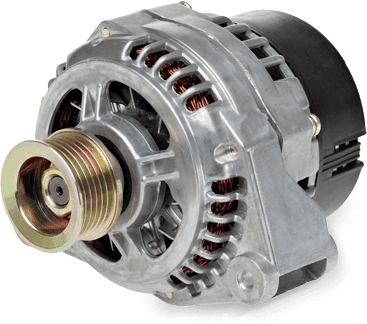
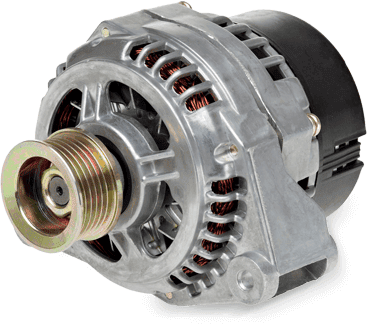
Similar search terms for ERA-209018A-Alternator
Top-Angebote
Products related to ERA-209018A-Alternator:
-
ERA 209156A AlternatorVoltage [V]: 14; Alternator Charging Current [A]: 120; Plug Type ID: B+LW; Belt Pulley Ø [mm]: 55; Pulleys: with V-ribbed belt pulley; alternatively: ; Rotation Direction: Clockwise rotation; Number of mounting bores: 2; Number of grooves: 6; Alternative Repair Kit: 209156; Distance from belt pulley to alternator [mm]: 55572,99 £*Shipping: 1,99 £Secure redirect to the provider
-
ERA 210520A AlternatorVoltage [V]: 14; Alternator Charging Current [A]: 180; Plug Type ID: B+LDFM; Belt Pulley Ø [mm]: 54; Pulleys: with freewheel belt pulley; alternatively: ; Rotation Direction: Clockwise rotation; Number of mounting bores: 2; Number of grooves: 6; Distance from belt pulley to alternator [mm]: 51,5875,99 £*Shipping: 1,99 £Secure redirect to the provider
-
ERA 209552A AlternatorVoltage [V]: 14; Alternator Charging Current [A]: 90; Plug Type ID: B+SL; Belt Pulley Ø [mm]: 55; Pulleys: with V-ribbed belt pulley; Rotation Direction: Clockwise rotation; Number of mounting bores: 2; Number of grooves: 4; Distance from belt pulley to alternator [mm]: 45240,99 £*Shipping: 1,99 £Secure redirect to the provider
-
ERA 209558A AlternatorVoltage [V]: 14; Alternator Charging Current [A]: 110; Plug Type ID: B+LDFM; Belt Pulley Ø [mm]: 55; Pulleys: with freewheel belt pulley; Rotation Direction: Clockwise rotation; Number of mounting bores: 2; Number of grooves: 6; Distance from belt pulley to alternator [mm]: 46,5490,99 £*Shipping: 1,99 £Secure redirect to the provider
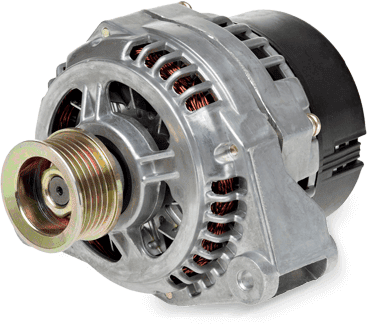

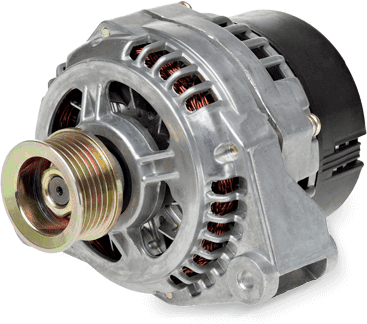

-
Is the motorcycle's alternator broken?
Without further information or inspection, it is difficult to determine if the motorcycle's alternator is broken. However, common signs of a broken alternator include dimming headlights, a dead battery, strange noises, or difficulty starting the motorcycle. It is best to have a professional mechanic inspect the motorcycle to accurately diagnose and repair any issues with the alternator. **
-
Is the alternator output sufficient?
To determine if the alternator output is sufficient, you will need to measure the voltage output of the alternator while the engine is running. A healthy alternator should produce around 13.8 to 14.2 volts. If the voltage output is within this range, then the alternator output is likely sufficient. However, if the voltage output is consistently below this range, then the alternator may not be providing enough power to the vehicle's electrical system and may need to be replaced or repaired. **
-
Is learning programming and software development very challenging?
Learning programming and software development can be challenging for some people, as it requires logical thinking, problem-solving skills, and attention to detail. However, with dedication, practice, and the right resources, it is definitely achievable. Breaking down complex concepts into smaller, more manageable parts and seeking help from online tutorials, courses, and communities can make the learning process easier and more enjoyable. Ultimately, the level of challenge will vary depending on the individual's background, experience, and learning style. **
-
Which programming languages are used in software development?
There are many programming languages used in software development, including popular languages such as Java, Python, C++, JavaScript, and Ruby. Each language has its own strengths and is used for different purposes in software development. For example, Java is commonly used for building enterprise-level applications, while Python is known for its simplicity and versatility. C++ is often used for system software and game development, while JavaScript is essential for web development. Overall, the choice of programming language depends on the specific requirements of the software being developed. **

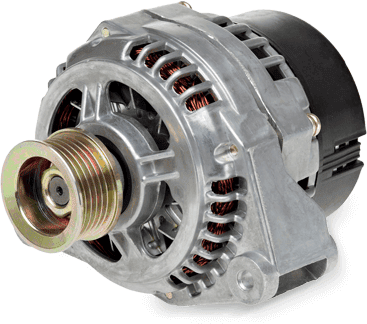
Do electric cars have an alternator?
No, electric cars do not have an alternator. Alternators are used in traditional gasoline-powered vehicles to generate electricity and recharge the battery while the engine is running. In electric cars, the battery is charged by plugging the vehicle into an external power source, such as a charging station or a wall outlet, rather than through an alternator. Electric cars use an onboard charger to convert AC power from the grid into DC power to charge the battery. **
How much does an alternator cost?
The cost of an alternator can vary depending on the make and model of the vehicle. On average, a new alternator can cost anywhere from $100 to $500. However, there are also refurbished or remanufactured alternators available at a lower cost, typically ranging from $50 to $200. It is recommended to consult with a mechanic or check with auto parts stores for specific pricing based on your vehicle's requirements. **
Top-Angebote
Products related to ERA-209018A-Alternator:
-
ERA 209543A AlternatorVoltage [V]: 14; Alternator Charging Current [A]: 150; Plug Type ID: B+COM; Belt Pulley Ø [mm]: 55; Pulleys: with freewheel belt pulley; alternatively: ; Rotation Direction: Clockwise rotation; Number of mounting bores: 2; Number of grooves: 6; Alternative Repair Kit: 209543; Distance from belt pulley to alternator [mm]: 46384,99 £*Shipping: 1,99 £Secure redirect to the provider
-
ERA 210850A AlternatorVoltage [V]: 14; Alternator Charging Current [A]: 140; Plug Type ID: B+COM; Belt Pulley Ø [mm]: 56; Pulleys: with freewheel belt pulley; alternatively: ; Rotation Direction: Clockwise rotation; Number of mounting bores: 4; Number of grooves: 6; Alternative Repair Kit: 210850; Distance from belt pulley to alternator [mm]: 38803,99 £*Shipping: 1,99 £Secure redirect to the provider
-
ERA 209156A AlternatorVoltage [V]: 14; Alternator Charging Current [A]: 120; Plug Type ID: B+LW; Belt Pulley Ø [mm]: 55; Pulleys: with V-ribbed belt pulley; alternatively: ; Rotation Direction: Clockwise rotation; Number of mounting bores: 2; Number of grooves: 6; Alternative Repair Kit: 209156; Distance from belt pulley to alternator [mm]: 55572,99 £*Shipping: 1,99 £Secure redirect to the provider
-
ERA 210520A AlternatorVoltage [V]: 14; Alternator Charging Current [A]: 180; Plug Type ID: B+LDFM; Belt Pulley Ø [mm]: 54; Pulleys: with freewheel belt pulley; alternatively: ; Rotation Direction: Clockwise rotation; Number of mounting bores: 2; Number of grooves: 6; Distance from belt pulley to alternator [mm]: 51,5875,99 £*Shipping: 1,99 £Secure redirect to the provider
-
What about the alternator?
The alternator is a crucial component of a vehicle's charging system. It is responsible for converting mechanical energy from the engine into electrical energy to power the vehicle's electrical systems and recharge the battery. If the alternator fails, the battery will not be recharged and the vehicle's electrical systems will not function properly. It is important to have the alternator inspected and maintained regularly to ensure the proper functioning of the vehicle. **
-
Is my motorcycle's alternator defective?
To determine if your motorcycle's alternator is defective, you can perform a few tests. First, check the battery voltage with the engine off and then again with the engine running. If the voltage doesn't increase when the engine is running, it could indicate a problem with the alternator. You can also use a multimeter to test the output of the alternator to see if it is within the manufacturer's specifications. Additionally, if you notice dimming headlights or other electrical issues while riding, it could be a sign of a defective alternator. If any of these tests indicate a problem, it's best to have a professional mechanic inspect and diagnose the issue. **
-
Is the motorcycle's alternator broken?
Without further information or inspection, it is difficult to determine if the motorcycle's alternator is broken. However, common signs of a broken alternator include dimming headlights, a dead battery, strange noises, or difficulty starting the motorcycle. It is best to have a professional mechanic inspect the motorcycle to accurately diagnose and repair any issues with the alternator. **
-
Is the alternator output sufficient?
To determine if the alternator output is sufficient, you will need to measure the voltage output of the alternator while the engine is running. A healthy alternator should produce around 13.8 to 14.2 volts. If the voltage output is within this range, then the alternator output is likely sufficient. However, if the voltage output is consistently below this range, then the alternator may not be providing enough power to the vehicle's electrical system and may need to be replaced or repaired. **
Similar search terms for ERA-209018A-Alternator
-
ERA 209552A AlternatorVoltage [V]: 14; Alternator Charging Current [A]: 90; Plug Type ID: B+SL; Belt Pulley Ø [mm]: 55; Pulleys: with V-ribbed belt pulley; Rotation Direction: Clockwise rotation; Number of mounting bores: 2; Number of grooves: 4; Distance from belt pulley to alternator [mm]: 45240,99 £*Shipping: 1,99 £Secure redirect to the provider
-
ERA 209558A AlternatorVoltage [V]: 14; Alternator Charging Current [A]: 110; Plug Type ID: B+LDFM; Belt Pulley Ø [mm]: 55; Pulleys: with freewheel belt pulley; Rotation Direction: Clockwise rotation; Number of mounting bores: 2; Number of grooves: 6; Distance from belt pulley to alternator [mm]: 46,5490,99 £*Shipping: 1,99 £Secure redirect to the provider
-
ERA 209567A AlternatorVoltage [V]: 14; Alternator Charging Current [A]: 90; Plug Type ID: B+COM; Belt Pulley Ø [mm]: 59; Pulleys: with V-ribbed belt pulley; Rotation Direction: Clockwise rotation; Number of mounting bores: 2; Number of grooves: 3; Distance from belt pulley to alternator [mm]: 57,5490,99 £*Shipping: 1,99 £Secure redirect to the provider
-
ERA 209571A AlternatorVoltage [V]: 12; Alternator Charging Current [A]: 140; Manufacturer Restriction: VALEO; Plug Type ID: LIN2; Belt Pulley Ø [mm]: 52; Clamp: M8 B+; Pulleys: with freewheel belt pulley; alternatively: ; Rotation Direction: Clockwise rotation; Number of mounting bores: 2; Number of grooves: 6; article number of recommended accessories: ZN5829; Alternative Repair Kit: 209571; Distance from belt pulley to alternator [mm]: 39,4, 48; Bore Diameter 1 [mm]: 8; alternative OE number: 04L903021H, 04L903021HX, 04L903023L, 03L903023L, 03L903023LX; Emissions Standard: Euro 6+, Euro 6, Euro 4 (D4); for PR number: 7MM, 4BF, G0K, G1C, G1D, 7MV, FM3, 4IA, 7CN, 7CP, 7CS, 0GG, 4IF, 7CI, FM1, TR1; TecDoc Engine Number: 34422, 27263, 35544, 35545, 33131, 33136, 27196, 27202, 32774, 34063, 34412, 36671, 27958, 31521, 31523, 27961, 27962, 28095, 34424, 31335, 31372, 31373, 27261, 29192, 29194, 38558, 33476, 32468, 33117, 31655, 31656, 33916, 30937, 33092, 33135, 33895, 33894, 33915, 27959, 34415, 34886, 44122, 32536, 37139, 33633, 44304, 35253, 40243, 44078, 44129, 38778; Construction Year from: 07/2015, 08/2018, 06/2015, 11/2016, 12/2017, 06/2016, 03/2019; Construction Year to: 10/2017, 06/2019, 09/2020; for model code/type code: BQ1, 5G1; Engine sales name: Ecomotive; Transmission Type: 6-Speed Manual Transmission, 7-Speed Automatic Transmission, 6-Speed Dual-Clutch Transmission, 5-Speed Manual Transmission, 7-Speed Dual-Clutch Transmission715,99 £*Shipping: 1,99 £Secure redirect to the provider
-
Is learning programming and software development very challenging?
Learning programming and software development can be challenging for some people, as it requires logical thinking, problem-solving skills, and attention to detail. However, with dedication, practice, and the right resources, it is definitely achievable. Breaking down complex concepts into smaller, more manageable parts and seeking help from online tutorials, courses, and communities can make the learning process easier and more enjoyable. Ultimately, the level of challenge will vary depending on the individual's background, experience, and learning style. **
-
Which programming languages are used in software development?
There are many programming languages used in software development, including popular languages such as Java, Python, C++, JavaScript, and Ruby. Each language has its own strengths and is used for different purposes in software development. For example, Java is commonly used for building enterprise-level applications, while Python is known for its simplicity and versatility. C++ is often used for system software and game development, while JavaScript is essential for web development. Overall, the choice of programming language depends on the specific requirements of the software being developed. **
-
Do electric cars have an alternator?
No, electric cars do not have an alternator. Alternators are used in traditional gasoline-powered vehicles to generate electricity and recharge the battery while the engine is running. In electric cars, the battery is charged by plugging the vehicle into an external power source, such as a charging station or a wall outlet, rather than through an alternator. Electric cars use an onboard charger to convert AC power from the grid into DC power to charge the battery. **
-
How much does an alternator cost?
The cost of an alternator can vary depending on the make and model of the vehicle. On average, a new alternator can cost anywhere from $100 to $500. However, there are also refurbished or remanufactured alternators available at a lower cost, typically ranging from $50 to $200. It is recommended to consult with a mechanic or check with auto parts stores for specific pricing based on your vehicle's requirements. **
* All prices are inclusive of VAT and, if applicable, plus shipping costs. The offer information is based on the details provided by the respective shop and is updated through automated processes. Real-time updates do not occur, so deviations can occur in individual cases. ** Note: Parts of this content were created by AI.